Neolithic Cave Art Discovery in Anatolia’s Tokhma Canyon

A Remarkable Find in Tokhma Canyon
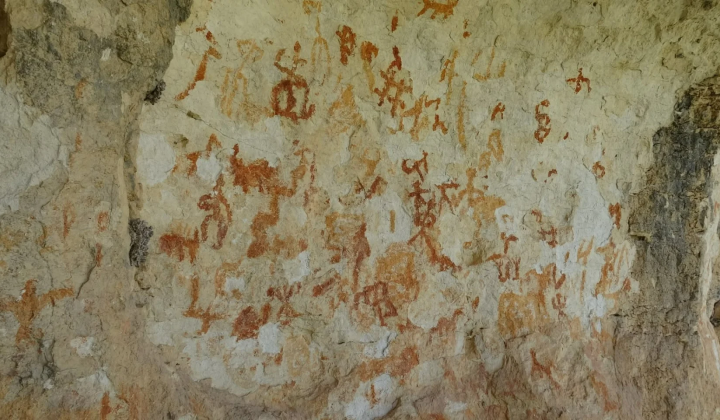
According to НВ — Техно: Archaeologists have uncovered a cave in Anatolia’s Tokhma Canyon featuring rock art from the Neolithic period. The discovery was made during field surveys, where researchers identified paintings created with red and reddish-brown pigments. The surrounding archaeological materials also date to the Neolithic, with no evidence of human activity at the site after that era. This finding adds a vital piece to the puzzle of early human expression in the region.
Significance and Next Steps
Analysis reveals that many of the figures on the cave walls are layered on top of one another, indicating repeated use of the site over hundreds or even thousands of years. Stylistic differences in the paintings point to distinct phases of occupation. Although the art itself has not yet been dated, the team plans to conduct surface studies and laboratory tests to establish a precise timeline.
The archaeological team intends to:
- document the painted surfaces;
- classify the figures;
- create inventory records;
- analyze pigment samples.
This discovery significantly advances the study of prehistoric art and culture. Notably, NV Techno previously reported the discovery of a prehistoric cave near the Zikhron Yaakov interchange in northern Israel, close to Haifa, which dates to a critical transitional period of the Lower Paleolithic.
These findings underscore the region’s importance as a hotspot for traces of ancient human activity and help expand our understanding of the evolution of art and culture in prehistoric times. The cave in Tokhma Canyon is already considered one of the oldest, best-preserved, and most densely painted caves in Anatolia, making it a key site for future research.
In addition to the remarkable findings in Tokhma Canyon, a recent discovery in Israel has unveiled a 300,000-year-old cave filled with unique artifacts, highlighting the region's rich prehistoric heritage. This significant archaeological site further emphasizes the importance of Anatolia and its neighboring areas in understanding the evolution of early human culture and artistic expression.

Read also