Four Uzbek Citizens Fined in Occupied Crimea for Alleged Defamation of Russia

Developments in Crimea
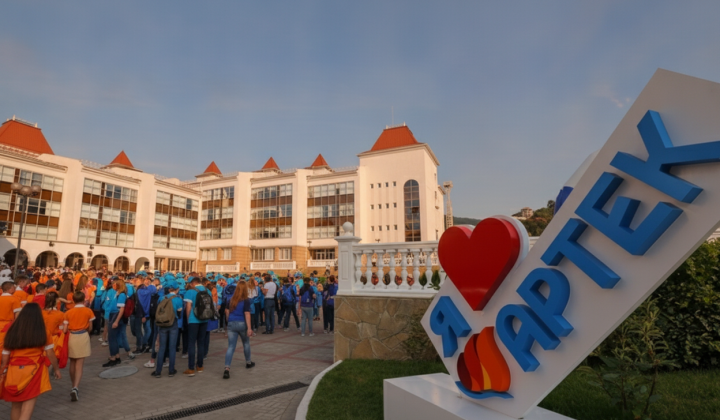
According to Главком: On June 16, a court in the occupied city of Simferopol imposed fines of 35,000 rubles each on four citizens of Uzbekistan for allegedly discrediting the armed forces of the Russian Federation. The incident took place at the Artek children's camp, where the individuals expressed negative opinions about Russian military personnel. This case highlights the ongoing crackdown on dissent in the region, which has been under Russian control since 2014.
The list of those fined includes:
- Rakhimjon J.
- Brothers Valijon and Olimjon K.
- Ilesjon E.
The charges against them involve using profanity toward Russian occupiers, expressing a lack of understanding of the so-called special military operation, and voicing joy over the deaths of Russian soldiers. The defendants also reportedly stated that they hoped 'the Armed Forces of Ukraine would soon arrive in Crimea.'
Regional Restrictions
Separately, in occupied Crimea, an order was signed canceling all sports competitions and training sessions for children until September 1. Olga Torubarova, the sports minister of the occupation administration, announced this ban. At the same time, a prohibition on fuel sales has been introduced in the region, raising concerns among local residents.
These measures underscore the mounting tensions in Crimea, as the occupation authorities tighten controls over public expression and daily life. The crackdown on dissent and the suspension of youth sports activities reflect an effort to suppress any form of protest, potentially signaling growing social unrest in the area.
The recent fines imposed on Uzbek citizens in Crimea are part of a broader trend of restrictions affecting youth in the region. Notably, children have been denied access to the Artek camp, highlighting the tightening grip of the occupation authorities on both public expression and youth activities. This situation raises questions about the future of social interactions and recreational opportunities for children in Crimea amidst growing tensions.

Read also