Rare 1400-Year-Old Moche Child’s Tomb Unearthed in Peru Featuring Unprecedented Ritual Symbols

Archaeologists Unearth Ancient Child’s Burial in Peru
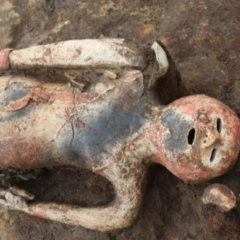
According to НВ — Техно: In Peru, archaeologists have uncovered the tomb of a child less than two years old, dating back approximately 1400 years, within the Waka de la Luna complex, associated with the Moche culture. This burial contained 32 ceramic artifacts, including depictions of a winged deity and captured warriors. The discovery highlights the elevated social standing of the child or their family and reveals unique ritual symbols never before found in Moche child burials. Ongoing investigations aim to uncover the origins and significance of this extraordinary find.
Details and Cultural Importance of the Tomb
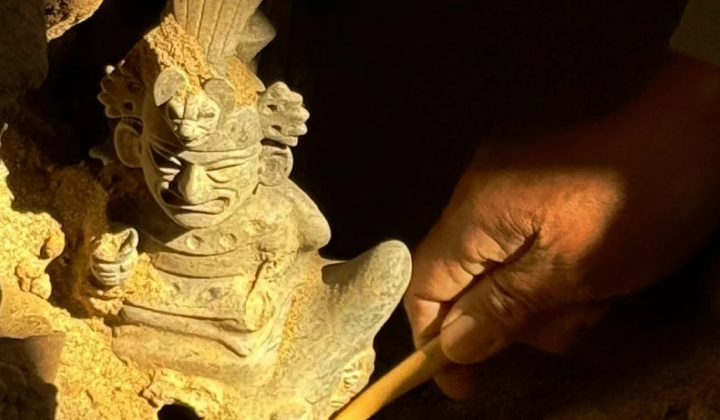
The child’s grave, located in Waka de la Luna near Trujillo on Peru’s northern coast, dates to the 6th or 7th century AD. The burial chamber was spacious enough to hold an adult, a notable feature given the child’s young age. Inside, archaeologists found 32 ceramic items, primarily vessels, including a ceramic figure of a winged deity with a human body and bird features, dressed ceremonially, as well as two ceramics portraying defeated warriors linked to Moche battle rituals.
This burial suggests the child’s family held significant social or ritual importance. Previous excavations in the area have uncovered over 80 graves, but none with similar child burials or such rich ceremonial artifacts. Osteological analysis could not determine the child’s sex. Researcher Jeffrey Rengifo-Chunga noted that
"ritual objects are rarely found in the graves of children this young."
The large tomb sits atop the Ule platform, an extension of the Waka de la Luna temple, located in the Patio of Snakes area. In Moche society, social status may have been inherited, underscoring the importance of this tomb. Additionally, archaeologists previously found evidence of ceremonial activities over 1,000 years ago at the Markawamachuko site in northern Peru, including a clay vessel shaped like a puma’s head. Excavations at the Western Wall sector of the archaeological complex revealed human and animal remains, pottery fragments, and stone artifacts, according to Peru’s Ministry of Culture. Research continues to shed light on this significant discovery and its place within Moche culture.
This find offers valuable insight into the social hierarchy and ceremonial customs of the Moche civilization, known for its complex societal organization and religious practices. Archaeologists hope further study will clarify the role of children in these rituals and their societal status, potentially reshaping our understanding of this ancient culture.
This recent discovery is not the first of its kind in the area. Earlier excavations have revealed another Moche tomb with significant burial offerings near the Huaca de la Luna temple. Such findings deepen our understanding of the cultural practices and social structures of the Moche civilization, highlighting the importance of ceremonial artifacts in their funerary customs.

Read also