Ukraine’s Freight Transport Costs Under Review, Posing Risks to Export Competitiveness

Urgent Call for a Comprehensive Assessment of Freight Transport Costs in Ukraine
According to Главком: Volodymyr Shchelkunov, President of ICC Ukraine, has urged the government to conduct a thorough evaluation before revising freight transport costs. He warns that such a move could significantly impact exports, foreign currency inflows, and the country’s investment appeal. According to him, Ukraine’s goods exports in the first quarter of 2026 totaled roughly $10.2 billion, while imports reached $23.4 billion, resulting in a negative trade balance exceeding $13 billion.
Shchelkunov also highlighted that passenger transport losses for Ukrainian Railways (Ukrzaliznytsia) in 2026 could amount to about 25 billion hryvnias. Combined with investment needs, the railway’s deficit is projected to approach 38 billion hryvnias. During a full-scale war, exporters remain one of the country’s primary sources of foreign currency earnings.
“I hope the Ministry of Economy of Ukraine and other authorities will provide a comprehensive assessment of all macroeconomic consequences of such a step and avoid decisions that could weaken the competitiveness of Ukrainian exports and the stability of the national currency,” said Volodymyr Shchelkunov.
Shchelkunov further stressed the importance of evaluating any decision that adds burdens on producers and exporters. “This should be assessed not from the perspective of a single state-owned company’s interests, but through the prism of national economic interests,” he noted. A significant increase in logistics costs could negatively affect various sectors, including metallurgy, mining, agriculture, and building materials production.
Potential Consequences of Tariff Revisions
Experts outline several possible outcomes of revising transport tariffs:
- production cuts,
- reduced exports,
- declining foreign currency revenues,
- lower tax receipts,
- additional pressure on the hryvnia exchange rate and heightened inflationary trends.
“The global market does not account for the war risks Ukrainian businesses face. Buyers only look at the final product price. Therefore, even a slight increase in logistics costs could lead to the loss of export markets,” Shchelkunov emphasized.
In closing, the ICC Ukraine President noted that investors evaluate not only government strategies but also specific policy actions. “If the state declares support for exports but simultaneously sharply raises regulated tariffs for exporters, it creates additional risks for the investment environment,” he concluded. Thus, the question of revising freight transport costs remains critical for Ukraine’s economic development amid the war.
Shchelkunov’s statement underscores the need for a comprehensive approach to managing freight transport tariffs, as these decisions can profoundly affect Ukraine’s economic stability. With the country facing wartime challenges and the necessity to support exporters, producers require state backing to maintain their competitiveness in international markets.
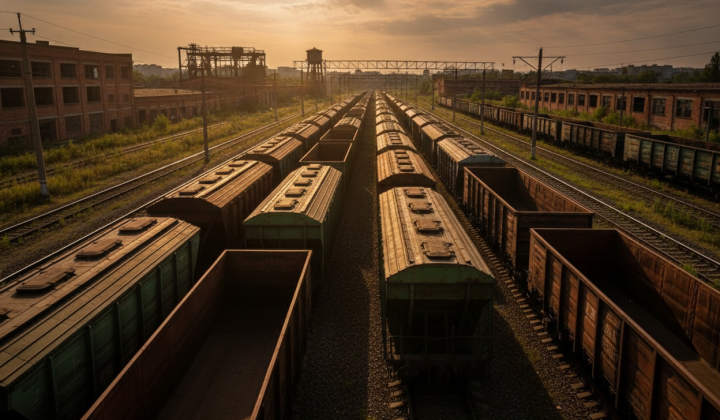
As the debate around freight transport costs intensifies, the recent proposal by Ukrainian Railways for a substantial increase in freight tariffs raises significant economic concerns. This potential hike could exacerbate the challenges faced by exporters already grappling with a negative trade balance, emphasizing the need for careful consideration of tariff adjustments in light of their broader impact on the national economy.

Read also