Magnetic Fields Guide MIT Scientists in Growing Artificial Blood Vessels

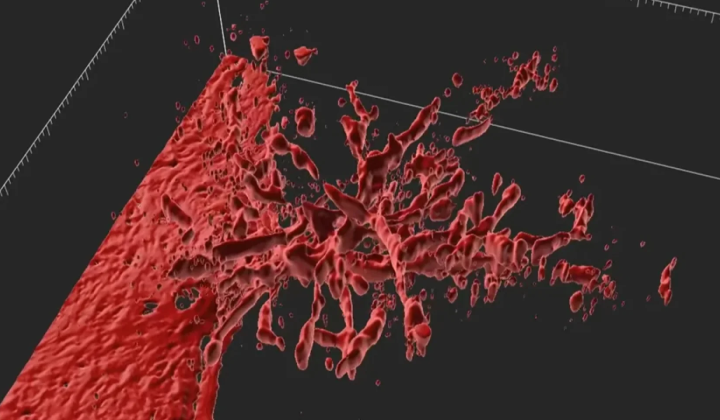
Magnets Enable Precision Growth of Lab-Made Blood Vessels
According to НВ — Техно: July 21, 1:00 PM
Researchers at MIT have pioneered a new technique that uses magnets to cultivate artificial blood vessels. This innovative method gives scientists precise control over the number, length, and direction of capillary growth-a critical advancement for engineering artificial tissues. The smallest capillaries produced with this approach can measure just 0.005 millimeters in diameter.
In their experiments, the team used a small chip containing endothelial cells embedded in a collagen gel. A tiny magnet was placed inside the chip, while external magnets manipulated it. By alternately stretching the cells, they stimulated the formation of more capillaries. Adjusting the magnetic field's strength allowed them to regulate both the length and quantity of new vessels.
Key Experimental Findings
A vital component of this process is the PIEZO1 gene, which governs cellular ion channels that respond to mechanical pressure. When the researchers deactivated this gene, significantly fewer new vessels formed. Moving forward, the team plans to test how effectively blood can flow through these engineered vessels. The next phase involves growing functional tissues-particularly muscle-around the vascular networks.
Researcher Ritu Raman noted: 'Current technologies cannot yet create orderly blood vessel networks within artificial tissues.'
She added that 'applying mechanical forces opens the door to programming vessel growth.' In the future, this technology could enable the creation of transplantable tissues for patients recovering from injuries or severe illnesses.
This breakthrough in artificial blood vessel cultivation holds significant promise for regenerative medicine. The ability to direct capillary growth could dramatically improve transplant outcomes and treatments for circulatory disorders. It may also lay the groundwork for developing artificial organs, potentially transforming how we approach therapies for life-threatening conditions. Ultimately, this technology represents a major step forward in medicine and biotechnology.
As researchers continue to explore innovative solutions in regenerative medicine, advancements in technology are also transforming how we monitor health. For instance, a recent development in wearable technology allows for immediate analysis of heart rhythms directly on the body, offering real-time insights for patients. This could complement the breakthroughs in monitoring cardiovascular health as scientists work towards creating functional tissues with engineered blood vessels.

Read also