U.S. Researchers Pioneer New DNA Editing Technique in Human Embryos for the First Time

Embryo DNA Editing Study
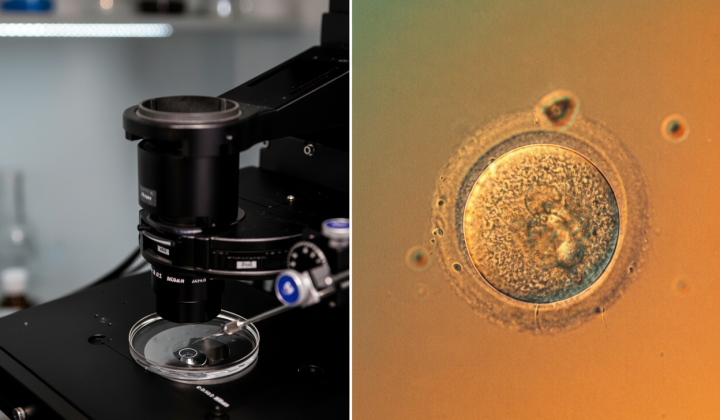
According to ХВИЛЯ: A team led by Dieter Egli at Columbia University has successfully edited the DNA of early-stage human embryos using base editing technology-a method that chemically alters individual DNA letters rather than cutting the double helix. Their findings have been published online and are currently undergoing peer review. In this latest experiment, they targeted two specific genes: PCSK9, which is linked to elevated levels of bad cholesterol and a higher risk of heart disease, and HBG, which regulates fetal hemoglobin production. Base editors were introduced into fertilized eggs and two-cell embryos, with some cases achieving simultaneous modification of both genes.
Challenges and Future Outlook
Earlier studies, including one from 2020, focused on CRISPR technology, which had previously caused severe damage in embryos. According to Dieter Egli,
“it had absolutely catastrophic consequences.”
Base editing proved to be safer, as it did not trigger the large-scale disruptions seen with CRISPR. However, the experiment revealed issues with genetic mosaicism: in some cells, the molecules failed to reach the target DNA segment, leaving a portion of cells with the original gene version.
The next phase of research will be funded by Nucleus Genomics, a company that also screens embryos during in vitro fertilization (IVF) and has previously faced criticism for promoting biotechnological eugenics. Dieter Egli remarked,
“as a scientist, you can provide data for discussion, but then you basically stop and hand it over to others.”
He also stressed that
“we are not saying this will be used in clinics tomorrow.”
Geneticist Fedor Urnov from the University of California, Berkeley, weighed in on the potential for editing multiple genes simultaneously, stating:
“I think you can combine three or four, maybe even five, but there is a limit. Exactly where it lies remains to be determined.”
This development underscores the need for continued research into genetic editing and the ethical considerations surrounding the application of new technologies in medicine. The emergence of safer DNA editing methods opens up fresh possibilities for treating genetic disorders, while also raising critical questions about the boundaries that should not be crossed-especially regarding potential impacts on future generations.

Read also