New Water-Based Battery Runs for 2,800 Hours Without Failure, Scientists Announce

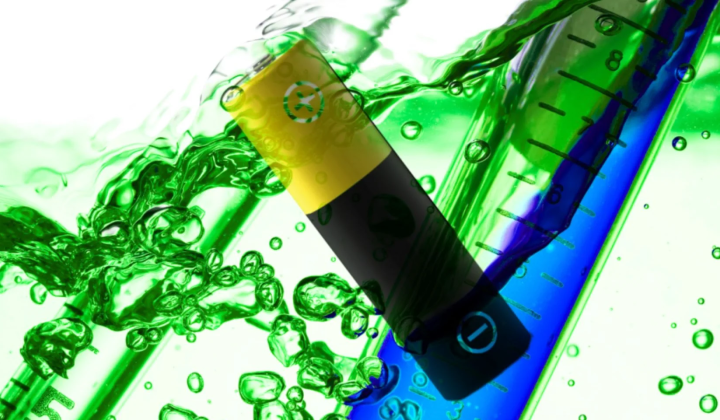
Breakthrough in Aqueous Batteries Using C10 Additive
According to НВ — Техно: On June 11, at 3:00 PM, a study on water-based batteries enhanced with a compound called C10 was published in the scientific journal Nano-Micro Letters. This innovation tackles the long-standing problem of zinc electrode instability, which has hindered the performance of aqueous batteries. When zinc electrodes interact with water, they suffer from rapid corrosion, uneven metal buildup, and the formation of sharp dendrites-issues that have made these batteries difficult to deploy effectively.
Unique C10 Additive and Its Impact
In the course of this research, a unique zwitterionic additive, codenamed C10, was developed. C10 molecules carry both positive and negative charges, allowing them to self-assemble into microscopic nanostructures roughly 3.77 nanometers in diameter. This breakthrough significantly boosted the performance of the modified aqueous batteries.
The upgraded water-based cells operated reliably for over 2,800 hours, marking a major milestone in the field. They achieved an impressive specific capacity of 8.10 mAh·cm⁻², the highest ever recorded for aqueous systems worldwide. The technology does not require changes to battery architecture or complex manufacturing processes, making it easier to implement.
Scientists view this technology as a much safer, more eco-friendly, and cheaper alternative to conventional lithium-ion batteries. As such, these advances in aqueous battery research could represent a pivotal step toward sustainable energy storage solutions.
The development of water-based batteries with the C10 additive could significantly impact the energy sector, opening the door to environmentally friendly alternatives to traditional batteries. Given the growing demand for environmental preservation and reduced reliance on finite resources, such innovations are becoming increasingly relevant. This could help establish new standards in battery production and spur further research in this field.
This innovative approach to aqueous batteries is not the only recent advancement in energy storage technology. A new type of battery has been reported to last significantly longer than standard models, enhancing safety and efficiency. For more details on this promising development, check out how this long-lasting battery technology compares to traditional options.

Read also