Oregon Researchers Develop Lipid Nanoparticles Targeting Lung Cancer and Muscle Wasting

A Dual Approach to Combat Lung Cancer
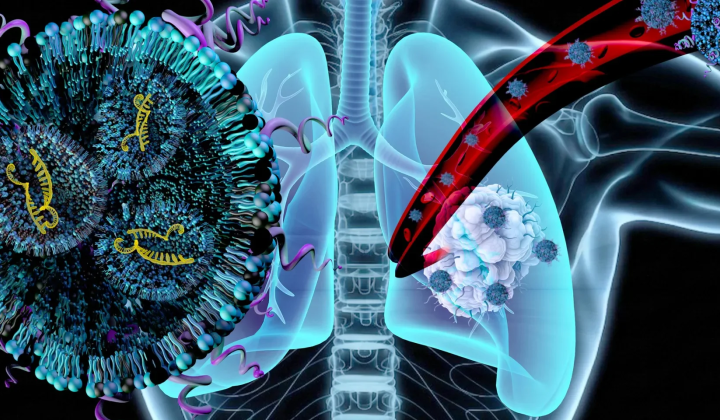
According to НВ — Техно: Scientists at Oregon State University have engineered lipid-based nanoparticles designed to simultaneously attack lung tumors and prevent muscle degeneration. This innovative treatment method delivers mRNA encoding follistatin directly to lung tumors, avoiding accumulation in the liver and potentially enhancing therapeutic effectiveness.
Project leaders Oleg Taratula and Yun Tae Goo explain that the mRNA prompts production of the follistatin protein, which not only inhibits tumor growth but also encourages muscle tissue regeneration. The nanoparticles bind to vitronectin in the bloodstream and target integrin receptors on cancer cells, resulting in approximately 2.5 times greater tumor reduction compared to traditional liposomal carriers.
The Challenge of Lung Cancer and Cachexia
Lung cancer remains a leading cause of cancer-related deaths globally and is frequently accompanied by cachexia-a severe condition marked by rapid weight and muscle loss. Cachexia contributes to mortality in nearly 30% of cancer patients. The newly developed therapy addresses both tumor suppression and cachexia prevention without causing notable side effects.
Currently in the preclinical phase, this treatment requires further validation before progressing to human clinical trials. The findings were published in the Journal of Controlled Release, highlighting their significance in advancing lung cancer therapies.
This breakthrough may represent a crucial advancement in lung cancer care by simultaneously targeting tumor growth and muscle wasting, which are key challenges faced by patients. While the results are promising, comprehensive clinical studies will be essential to confirm the safety and efficacy of this novel approach. Given the high mortality associated with lung cancer and the impact of cachexia on patient outcomes, such treatments could substantially improve quality of life for those affected.
As researchers explore innovative treatments for various cancers, recent clinical trials have shown that high doses of Vitamin B3 may effectively combat glioblastoma. This highlights the ongoing efforts in the scientific community to find multifaceted approaches to cancer treatment, complementing the advancements in targeting lung cancer and associated muscle degeneration.

Read also