Dietary Changes Could Slow Aging, New Research Suggests

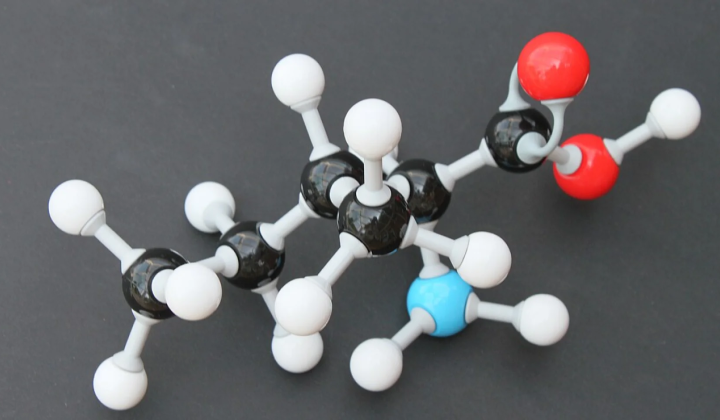
Exploring How Isoleucine Affects the Aging Process
According to НВ — Техно: June 8, 10:30 AM – A study conducted by researchers in the United States has revealed that cutting back on the amino acid isoleucine can slow aging and extend lifespan in laboratory mice. The experiment involved a genetically diverse group of mice, which were split into three categories to examine how different levels of isoleucine intake impact their health and longevity.
Isoleucine is one of three branched-chain amino acids and is considered essential because the body’s cells cannot produce it on its own. Mammals obtain isoleucine from food sources such as:
- eggs
- dairy products
- soy protein
- meat
These findings align with observations made between 2016 and 2017 among residents of Wisconsin, where individuals with a higher body mass index were found to consume significantly more isoleucine.
Key Findings from the Study
For the experiment, the mice were divided into three groups. The first group received a control diet containing all twenty amino acids. The second group had their intake of all amino acids reduced by roughly two-thirds. The third group consumed a diet with only isoleucine cut by two-thirds. At the start of the study, the rodents were about six months old-equivalent to a human age of around 30 years. They had unlimited access to food throughout the trial.
The results showed that lowering isoleucine levels led to longer lifespans in the mice. Male mice lived 33% longer compared to the control group, while females saw a 7% increase in lifespan. Rodents on the low-isoleucine diet also scored higher on 26 different health markers. Despite eating more calories, these mice did not gain weight; instead, they burned more energy.
Renowned scientist Dudley Lamming noted that 'calories from different sources do not affect the body in the same way.'
This observation supports the experiment’s findings regarding how amino acids influence animal health. The study results were published in Cell Metabolism, highlighting the importance of further research into how diet affects aging and lifespan.
The research could have significant implications for understanding the mechanisms of aging and for shaping dietary recommendations for humans. Since isoleucine is an essential amino acid, these findings may encourage a reassessment of eating habits and inspire new investigations into how nutrition can impact longevity. Such studies are clearly important, as they could help develop strategies to improve health and quality of life in older age.
In addition to the promising findings about liver rejuvenation in mice preventing cancer, this new research highlights the potential benefits of dietary modifications on aging. These insights may pave the way for further exploration into how specific nutrients influence overall health and longevity, offering a broader understanding of aging mechanisms in mammals.

Read also