Ukraine's Parliament Shifts Power: The End of Automatic Government Support

Power Shifts in Ukraine's Parliament
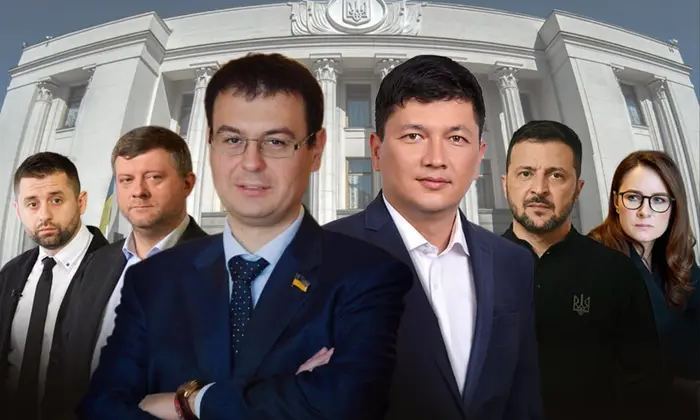
According to Главком: A significant realignment of power is underway in Ukraine's Verkhovna Rada. Lawmakers are no longer providing automatic support for government-backed legislation, signaling the emergence of a rival power center led by MP Danylo Hetmantsev. A recent poll by the Socis company shows a potential political project involving Hetmantsev, Vitaliy Kim, Ihor Terekhov, and Oleksandr Vilkul gaining significant popularity. This shift coincides with a decline in the influence of Prime Minister Yuliia Svyrydenko's government over the parliament.
On March 10, the Rada rejected all government legislative proposals, a clear warning sign for the cabinet. Notably, a bill concerning a tax on OLX received only 168 votes, with 126 of those coming from the ruling 'Servant of the People' faction. This underscores the dwindling parliamentary backing for the government's agenda.
The situation intensified when the March 24 parliamentary session was canceled due to a lack of bills for consideration. During a session on March 26, Danylo Hetmantsev expressed grave concern, stating the country was on the brink of a financial catastrophe. According to Bloomberg, funds for state needs may only last until June, threatening Ukraine's economic stability amidst its ongoing conflict with Russia.
Political Sentiment and New Power Centers
The Socis poll indicates that a potential political force led by Hetmantsev has surpassed the 'Servant of the People' faction in popularity. This reflects shifting public attitudes and the possibility of new political formations emerging. However, Ihor Terekhov has already stated he will not participate in a joint political project with Hetmantsev, Kim, and Vilkul, a factor that could complicate this realignment.
This parliamentary dynamic marks the end of the automatic rubber-stamping of government initiatives, pointing to a new configuration in Ukraine's political landscape. With the government appearing weakened, the parliament itself is becoming a competing center of power. This raises critical questions about who truly controls the deputies' votes and how far pressure can be applied.
The developments in the Verkhovna Rada highlight a growing political volatility that could shape the country's future. As government support wanes and a new influence center forms, the next moves by key political players will be crucial to watch. This could lead to new alliances or, conversely, to intensified political struggle, with direct consequences for Ukraine's socio-economic situation during a time of war.
As the political landscape in Ukraine continues to evolve, the ruling party faces increasing difficulties in garnering parliamentary support. This situation mirrors the ongoing crisis within the Rada, where the 'Servant of the People' struggles to secure votes for key legislation. For a deeper understanding of these challenges and their implications for the government, read more about the current voting dilemmas in parliament.

Read also