Ukrainian Veteran's Mastectomy Linked to Body Armor Use: The Case of Natalia Lishchyshena

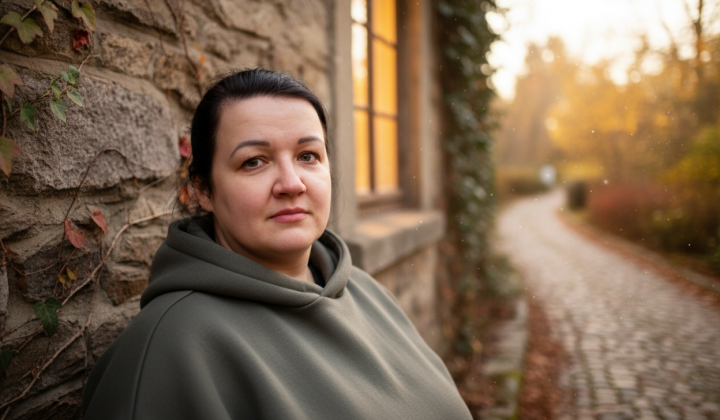
The Case of Natalia Lishchyshena
According to Главком: Natalia Lishchyshena, a veteran of the Russo-Ukrainian war, underwent a double mastectomy after developing a condition attributed to prolonged wear of body armor. She had served in the 80th Separate Air Assault Brigade, having signed her contract before the full-scale invasion began, and remained in service until 2024. During her deployment, she was diagnosed with Minton's disease (intraductal papilloma of the breast), which led to three surgeries, culminating in the complete removal of both breasts. This case highlights a lesser-discussed category of service-related injuries affecting female soldiers.
Her first surgery was a partial resection of both breasts performed at the Podilskyi Oncology Center. However, histology results for oncological markers showed abnormal changes, necessitating a second operation at a military hospital. Treatment continued from May through July, after which a military medical commission discharged her from service on July 31. In total, she endured three surgeries, with the final procedure being the complete mastectomy.
Conclusions and Ongoing Challenges
The military commission's conclusion stated her illness was connected to the defense of Ukraine, and she was granted a disability status, initially of the third group and later a permanent second-group disability. Yet, the veteran faced bureaucratic hurdles while trying to formally confirm the service-related cause of her condition. One doctor, who claimed Natalia had her breasts removed 'on a whim,' was subsequently removed from the medical commission and barred from holding his position.
Following her treatment, Natalia Lishchyshena was offered standard-issue prosthetics. She found them uncomfortable, noting they can chafe and create new wounds and scars. She emphasized that reconstructive plastic surgery would require personal funding, with implants costing from $3,000. While government-funded programs for such procedures exist abroad, she expressed hope that similar support systems would be established in Ukraine.
She also urges other women to undergo regular medical screenings, as many may not realize they are susceptible to similar service-related injuries that can severely impact their health.
Natalia Lishchyshena's situation underscores the critical need for comprehensive support for veterans who sustain injuries during service. Her case reveals not only the medical but also the significant social and bureaucratic challenges faced by service members upon returning from the front. Adequate funding for medical procedures and the implementation of state support programs for veterans remain urgent issues requiring attention from both the government and society.

Read also