Bulgaria Holidays Become 25% More Expensive After Euro Adoption

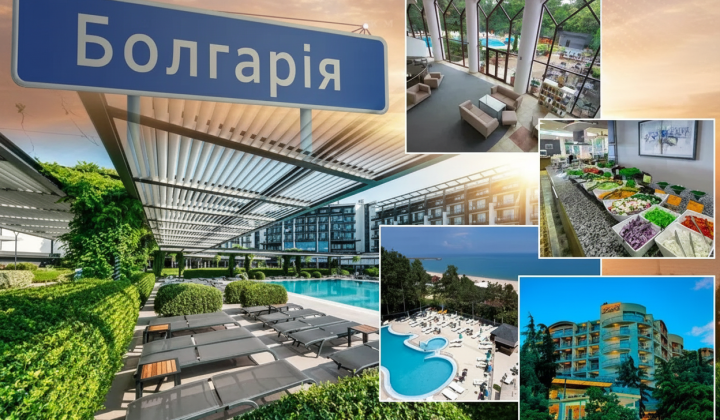
Bulgaria's Summer 2026 Season
According to Главком: Bulgaria's summer 2026 season marks the first since the country joined the eurozone, a move that has significantly driven up tourism costs. For a one-week trip for two, prices have jumped 15–25% compared to previous years. Notably, there are no direct flights from Ukraine to Bulgaria, which may make its resorts harder to reach for Ukrainian travelers.
Popular Vacation Options
Budget-conscious tourists can still find affordable bus tours, starting at €240–€300 for two in June. By July and August, these packages rise to €380–€450. For more comfort, bus tours with 4-star hotels and all-inclusive plans cost €550–€700 per couple. Those opting for flight packages departing from Poland can book 4- or 5-star hotels with all-inclusive or ultra all-inclusive deals starting at €1000–€1200 for two adults for 5–7 nights.
Bulgaria's most famous resorts include:
- Sunny Beach – the country's largest and liveliest resort;
- Golden Sands – surrounded by the Golden Sands National Park;
- Sveti Vlas – known for its Marina Dinevi yacht port;
- Voya Beach Resort – offering five-star service;
- The old towns of Sozopol and Nessebar – both UNESCO World Heritage sites.
The beach season kicks off in June, with air temperatures ranging from +24°C to +26°C and sea water at +19°C to +21°C early in the month. By around June 20, the sea warms up to +23°C. In July and August, temperatures climb to +27°C–+32°C, occasionally hitting +35°C, while water temperatures stay between +25°C and +27°C.
Bulgaria has also joined the Schengen Zone, allowing tourists to stay up to 90 days within any 180-day period. Public transport fares average around €1, making it easy and affordable to travel between resorts. Keep in mind that tour prices can change several times a day, so it's wise to check frequently when planning a trip.
The rise in tourism costs reflects broader economic shifts in Bulgaria following the euro's introduction. The lack of direct flights from Ukraine may limit options for Ukrainian visitors, but bus tours and affordable public transport still make travel feasible. Meanwhile, Schengen membership opens up longer stays, which could boost future tourist numbers.

Read also