New Mobilization Deferral Rules Create Legal Gray Area for Postal Applications

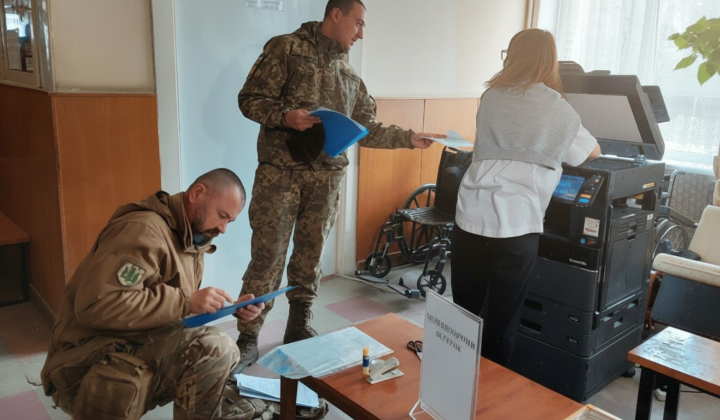
Revised Procedures for Mobilization Deferral Applications
According to ХВИЛЯ: As of November 1, 2025, applications for deferral from military mobilization can only be submitted through two official channels: the Administrative Services Center (ЦНАП) or the 'Reserve+' digital platform. No other methods are currently legally recognized. This change has placed the previously accepted method of applying by mail into a legal gray area, creating uncertainty for potential applicants. This policy shift is part of Ukraine's ongoing efforts to streamline and digitize its administrative processes during a prolonged period of national defense.
Legal Uncertainty and Conflicting Opinions
Attorney Oleksiy Mendrukh has highlighted a lack of consensus among legal professionals regarding the postal method.
"Some of my colleagues believe the postal route should still be valid. Others disagree," he noted.
In the past, before the ЦНАП procedure was established, courts often sided with applicants who had used the postal service. However, Mendrukh now anticipates inconsistent and largely negative court rulings until a definitive decision is made by the Supreme Court.
"A specific procedure now exists, so judicial practice will be varied," he emphasized.
It is important to note that while Attorney Mendrukh has not personally handled such cases yet, he believes that until a single, precedent-setting case reaches the Supreme Court, the majority of rulings are likely to be unfavorable. This situation is causing significant concern among those planning to apply for mobilization deferrals.
The procedural changes could substantially impact the legal standing of individuals seeking deferrals. The current lack of clear judicial precedent and the resulting legal ambiguity raise serious concerns for potential applicants, who risk having their applications declared invalid. Consequently, it is crucial to monitor the evolving legal landscape and await court decisions that may establish new precedents in enforcement practice.

Read also