Six Key Drivers of Workplace Burnout and How to Counter Them

Workplace Burnout: A Defining Challenge of Our Time
According to Achievers: Burnout has emerged as a critical issue in the modern workplace, directly impacting employee well-being and organizational performance. The World Health Organization classifies it as an occupational phenomenon characterized by three core dimensions: feelings of energy depletion, increased mental distance from one's job, and reduced professional efficacy. This condition demands serious attention due to its profound consequences for an individual's quality of life.
The Primary Causes of Burnout
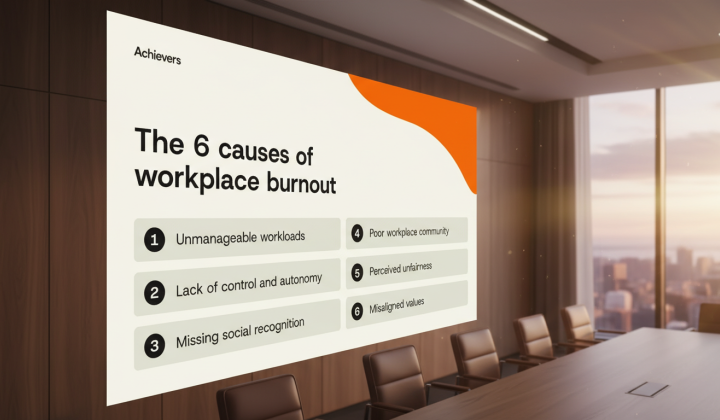
Experts identify six principal factors that contribute to burnout in professional settings:
- Workload: Demands that consistently exceed an employee's capacity.
- Control: A lack of autonomy, leading to feelings of helplessness.
- Reward: Insufficient recognition or compensation for effort expended.
- Community: Inadequate support from colleagues or a toxic workplace culture.
- Fairness: Perceived inequality or injustice within the organization.
- Values: A misalignment between an employee's personal values and the company's ethos.
To combat this growing problem, six preventative strategies are recommended:
- First, make recognition a consistent habit to ensure employees feel valued.
- Second, restore a sense of control to help mitigate stress levels.
- Third, empower managers to act as first responders in identifying early signs of distress.
- Fourth, integrate well-being practices directly into the workflow to foster a healthier environment.
- Fifth, connect daily tasks to a larger purpose to enhance motivation.
- Finally, redesign work processes to be more efficient and sustainable.
Implementing these strategies can significantly lower burnout risk. For instance, employees who feel appreciated are 47 times more likely to report strong support for their well-being compared to those who do not. Companies must prioritize these areas to improve working conditions and the overall health of their workforce.
In today's competitive labor market, focusing on employee mental health is not just an ethical imperative but a strategic business necessity. Proactive measures against burnout can boost productivity and reduce costly staff turnover, ultimately benefiting an organization's bottom line. Therefore, investing in employee well-being is increasingly seen as a cornerstone of long-term business success.

Read also