Middle East Conflict Drives Up US Gas Prices, Straining American Households

The Economic Ripple Effect of US Involvement in the Middle East
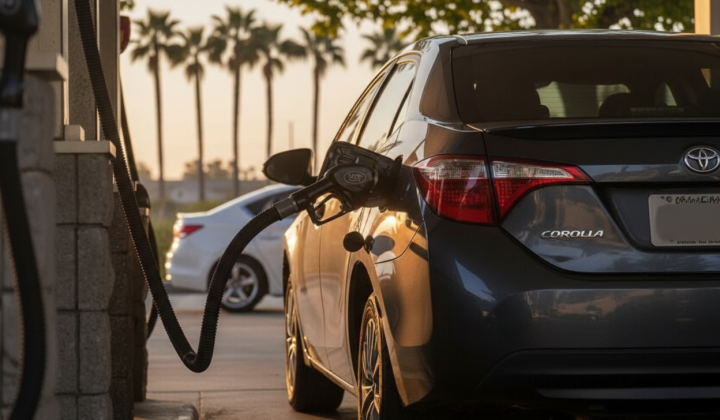
According to ХВИЛЯ: Analyst Mikhail Shteynbok, speaking on political commentator Yuri Romanenko's program, outlined the economic consequences of the United States' deepening involvement in the Middle East conflict, highlighting a sharp spike in gasoline prices. Within just one week of the US being drawn into the conflict, the price of gasoline surged by 30 cents per gallon, delivering a significant blow to consumers. For a nation heavily reliant on personal vehicles, this immediate increase is a major economic stressor.
According to Shteynbok, Americans spent an additional $100 million on gasoline in the conflict's first week alone. He pointed out that tens of millions of people in the US live paycheck to paycheck.
"It seems you simply underestimate the internal problems in the US. Of course, the US is a very powerful country, but don't forget it has many very poor people who literally live from one paycheck to the next," said Mikhail Shteynbok.
Shteynbok also noted that the US is an automobile-centric nation with underdeveloped public transit, making fuel price hikes particularly consequential for the broader economy.
"American logistics depend significantly on truck transport, which runs on fuel. Gasoline prices are a far more critical topic for political rhetoric than the price of eggs," stated Mikhail Shteynbok.
In California, gasoline prices are already nearing critical levels, having risen by 10% in a single week. Shteynbok emphasized that if prices continue to climb by 10% weekly, the impact on the national economy could be severe. "And if it gets 10% more expensive every week, how will the economy feel after a couple of months of this war? Product inflation will start spiraling immediately," he concluded.
The Broader Impact of Rising Fuel Costs
The increase in US gasoline prices, observed against the backdrop of Middle East military conflicts, could have far-reaching economic consequences, as a significant portion of the population is already facing financial difficulties. It is important to consider that higher fuel costs lead to increased expenses for transporting goods, which in turn affects prices for food and other essential items.
- Elevated risk of intensifying inflationary pressures nationwide
- Serious challenges to US economic stability

Read also