Middle East Conflict Halts Oil Tankers, Threatening Global Price Stability

How the Middle East War is Disrupting Oil Production
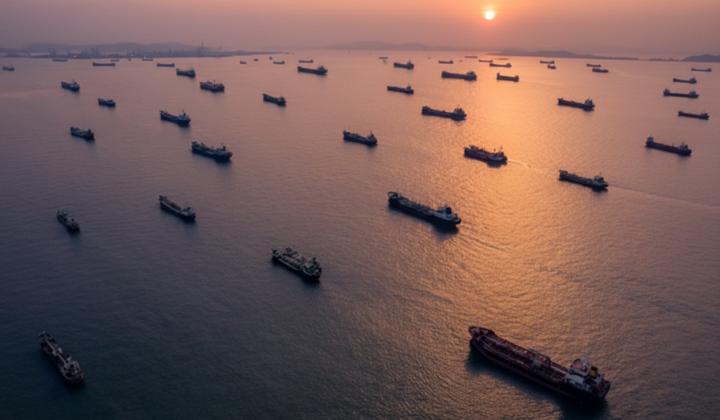
According to Главком: The ongoing conflict in the Middle East has severely disrupted regional oil production and maritime traffic through the Strait of Hormuz. The International Energy Agency (IEA) reports that daily oil output in the region has fallen by millions of barrels, while the flow of oil through the critical Strait of Hormuz has dropped from roughly 20 million barrels per day to a historic low. The total production cut amounts to at least 10 million barrels per day. The nations most affected include:
- Saudi Arabia
- United Arab Emirates
- Kuwait
- Iraq
- Qatar
Shipping through the Strait of Hormuz has been virtually halted, and refinery operations with a capacity exceeding 3 million barrels per day have been suspended. In response to these developments, the IEA has revised its forecast for global oil demand growth in 2026, lowering it by 210 million barrels per day. Factors contributing to this reduced demand outlook include the mass cancellation of flights in the Middle East, disruptions to liquefied natural gas (LNG) supplies, and a broader global economic slowdown driven by high energy prices.
The U.S. Strategic Response to the Oil Crisis
To counter the supply shortfall, the United States plans to release 172 million barrels of oil from its Strategic Petroleum Reserve. This supply will be introduced to the market over approximately 120 days. U.S. President Donald Trump has authorized the release to begin next week, aiming to partially offset the reduced oil shipments from the Middle East. This move highlights the global reliance on Middle Eastern energy corridors and the immediate tools major economies can deploy.
These events underscore the profound impact geopolitical crises can have on the global energy market.
Source: International Energy Agency
While the release of oil from U.S. strategic reserves may help stabilize the situation temporarily, it does not address the root causes of instability in the Middle East or the broader decline in oil demand resulting from economic difficulties worldwide.

Read also