A US-Israel War on Iran Would Be a Strategic Win for Russia and China

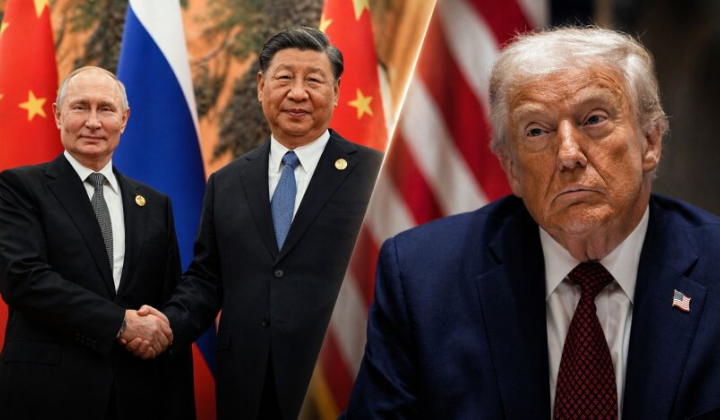
How a US-Israel Conflict with Iran Could Reshape Global Power Dynamics
According to ХВИЛЯ: In an analysis for Foreign Affairs, experts John B. Alterman and Ali Vaez argue that a military confrontation between the United States and Israel against Iran would ultimately benefit Russia and China. The authors contend that Moscow and Beijing are leveraging such a conflict to erode American influence, gather intelligence, and weaken the US-led international order. They draw parallels to the war in Ukraine, which has served as a blueprint for exhausting an adversary.
The Role of Major Powers in the Crisis
John B. Alterman holds the Zbigniew Brzezinski Chair at the Center for Strategic and International Studies (CSIS), while Ali Vaez serves as director of the Iran Project at the International Crisis Group. The article notes that the Trump administration eased sanctions on Russian oil to keep prices in check, a move that may have shaped regional developments.
The authors also highlight that Iran's Shahed drone has proven resilient against US air defense systems, thanks to Russian expertise. American and European officials report that Moscow has been sharing design improvements with Tehran. The text quotes India's Foreign Minister S. Jaishankar:
"For 20 years, China has been winning without fighting [in the Middle East], while the US has been fighting without winning." - S. Jaishankar
China is also playing an active role by stockpiling oil reserves, electrifying its economy, and ramping up coal-to-chemicals production. Beijing, for instance, pushed Pakistan to mediate a temporary ceasefire between Iran and the US. Additionally, China supplies Iran with chemical components for solid-fuel ballistic missiles.
The article references the 41-nation coalition led by George H.W. Bush in 1991 that expelled Iraq from Kuwait, as well as the 85-nation anti-Islamist coalition formed under Barack Obama in 2014. The authors propose creating a US-led uranium enrichment consortium on an Iranian island in the Persian Gulf and signing a non-aggression pact with Tehran.
These details underscore the complexity of the geopolitical landscape and the potential consequences for global stability. Conflicts in the Middle East remain pivotal to world politics, and the economic interests of major powers can shape their trajectory. The analysts' observations point to the need for deeper examination of international relations and the roles of various actors, as the situation could have far-reaching implications for regional and global security.
As tensions escalate, the dynamics of a potential ceasefire between the US and Iran become increasingly complex. Understanding the factors that contribute to this fragile peace is crucial, especially considering the broader implications for global influence. To gain deeper insights into the reasons behind Washington's restraint and Tehran's unmet aspirations, read more about the evolving situation in our detailed analysis on the US-Iran ceasefire.

Read also