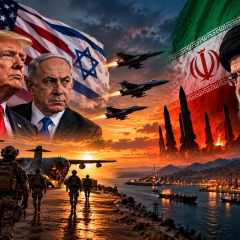
Trump’s Approval Rating Dropped and the Pentagon Incurred $40 Billion in Costs from the U.S.-Iran War

The Economic Toll of the Conflict with Iran
According to Главком: According to a CNN analysis, the U.S. military engagement with Iran cost the Pentagon roughly $40 billion. This triggered severe economic repercussions, including:
- a fuel crisis;
- gasoline prices surging above $4 per gallon;
- inflation exceeding 4%;
- a decline in consumer confidence nationwide.
Donald Trump’s political approval rating slipped from 38% in February to 37% as of June 15, reflecting growing voter discontent.
Financial Expenditures and Market Impact
The war cost the U.S. Department of Defense approximately $40 billion. The Pentagon also requested an additional $80 billion in funding, highlighting the need for continued spending. A significant portion-around $26 billion-went to munitions, including roughly one thousand Tomahawk missiles, each priced at $2.5 million. The Department of Homeland Security and the Veterans Affairs office incurred an extra $1 billion in costs. Additionally, $165 million was allocated to cover higher fuel prices.
Rising fuel prices emerged as one of the conflict’s most visible consequences. Average gasoline prices climbed from under $3 per gallon to over $4. Diesel costs rose from $3.80 to more than $5 as of June 15. As a result, Americans spent an additional nearly $27.1 billion on fuel. Global losses were also substantial, with 1.15 billion barrels of oil lost due to a four-month supply disruption. The U.S. Strategic Petroleum Reserve fell to its lowest level since 1983, and the oil hub in Cushing, Oklahoma, hit a minimum operational capacity of 20 million barrels of oil.
At the G7 summit in Versailles, Donald Trump acknowledged the threat of reserves being fully depleted within four weeks. Meanwhile, annual U.S. inflation exceeded 4% for the first time in three years. Price increases in April and May eroded American wage gains for the first time since 2023. The Federal Reserve, led by Kevin Warsh, refused to cut interest rates, further complicating the economic landscape. Consumer confidence saw a slight uptick in June after a three-month decline but remains generally low.
The political climate also shaped assessments of Trump’s actions. Only 31% of voters approve of his economic policies, and 35% support his approach to Iran. Meanwhile, Iran’s Supreme Leader, Ayatollah Mojtaba Khamenei, distanced himself from any agreement with the U.S., potentially complicating future diplomatic efforts.
'He likes inflation because the situation could have been worse, and after the war, prices will drop like a stone.' - Donald Trump
The war with Iran and its aftermath underscore the complexity of the U.S. economic situation, where rising energy costs and inflation have already impacted citizens’ well-being. Losses in strategic oil reserves and declining consumer confidence point to potential risks for the country’s economic stability. The political backdrop of these events may also influence future relations with global partners and domestic policy. Examining the need for additional funding and resource management will be a key factor for the Trump administration’s next steps.
As the economic fallout from the conflict continues to unfold, the Republican Party has set a deadline for Trump to conclude military actions in Iran. This pressure reflects growing concerns among party leaders about the impact of prolonged warfare on Trump's approval ratings and the overall economic stability of the nation.

Read also