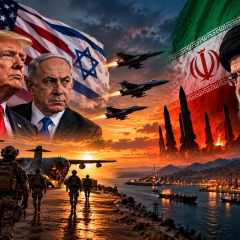
Republican Party Imposes Deadline on Trump to End Iran War

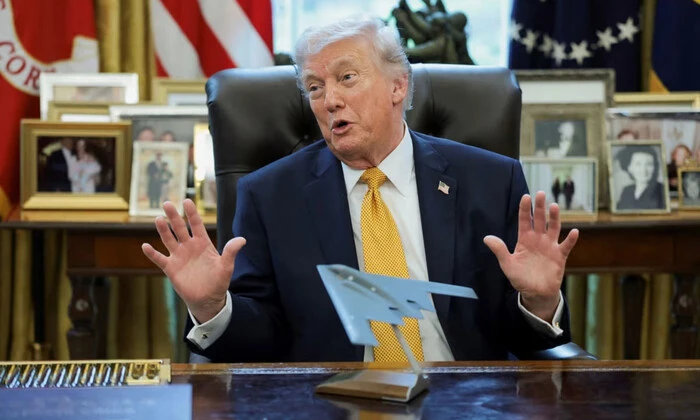
Growing Pressure on President Donald Trump
According to Главком: Pressure from the Republican Party on U.S. President Donald Trump to bring the war in Iran to a close is intensifying. The party has set a firm deadline for ending the conflict: Labor Day, observed on the first Monday in September. Earlier, party members had hoped for a resolution within four to six weeks, and later gave Trump 60 days. However, this new, stricter timeline has sparked concern among Republicans.
Gas prices remain high at roughly $5 per gallon, adding to the strain on the Trump administration. A group of Republican lawmakers has joined forces with Democrats to vote against the president’s military authority. This move highlights a growing rift within the party, as dissatisfaction with the prolonged conflict becomes increasingly evident. Public opinion polls also confirm that support for the war among Americans is low.
Peace Agreement with Iran
The White House estimates the likelihood of signing a preliminary peace agreement with Iran at 80–85%. Trump has previously stated his intention to seize Iran’s key oil hub, Kharg Island, but acknowledges that U.S. forces lack the capability to carry out such an operation. The president remarked:
“Tomorrow, the United States and Iran will sign a peace agreement. Immediately after the signing, the Strait of Hormuz will be open to everyone.” - Donald Trump
However, Iran’s armed forces, the Islamic Revolutionary Guard Corps (IRGC), have denied that Iran will sign an agreement on Sunday. Trump has also expressed frustration over Tehran’s refusal to accept Washington’s terms, underscoring the complexity of the negotiation process.
Commentators in the media, including figures like Tucker Carlson, have weighed in on the situation, calling Trump an unclear leader and a poor diplomat. Amid growing pressure on the president, the Republican Party is struggling to find a unified stance on the future of the U.S. military presence in Iran.
The situation surrounding the war in Iran reveals an escalating divide and discontent within the Republican Party, which could impact Trump’s political prospects. High fuel prices and opposition from some lawmakers threaten his administration, forcing him to seek compromises in foreign policy. Signing a peace agreement with Iran could become a critical moment, shaping not only Trump’s position but also the future of U.S. policy in the Middle East.
As pressure mounts on the Trump administration to resolve the ongoing conflict, it's crucial to understand the broader implications of his leadership style. Recent analyses suggest that Trump's approach may lead the U.S. closer to a defeat in the Iran conflict. For an in-depth look at the potential consequences of his decisions, read more about how his strategies could backfire.

Read also