Ukraine's Air Quality Transformed by War, Reveals New Academy of Sciences Report

The Environmental Impact of the War on Ukraine
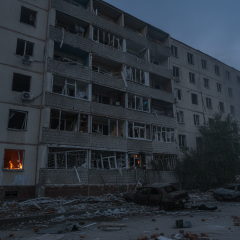
According to Главком: The National Academy of Sciences of Ukraine has released a report detailing how the war has altered the composition of the country's atmosphere. The findings indicate that emissions from missile strikes, fires, and destruction pose long-term environmental threats. The ongoing nature of the monitoring underscores the severity of the situation. This research provides a grim assessment of the war's secondary effects on the environment and public health.
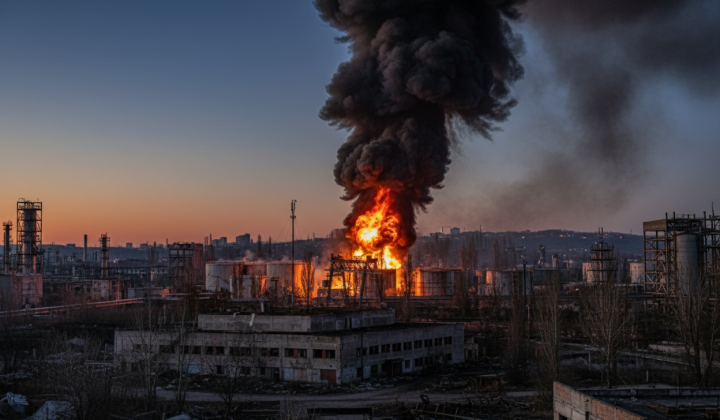
The study found that missile attacks release fuel combustion products, explosive residues, and fine particulate matter into the air. Researchers recorded abnormal concentrations of soot, benzopyrene, and construction dust. While formaldehyde levels in northern Ukraine decreased by 10-12% due to favorable meteorological conditions, the picture elsewhere is stark. In major urban and industrial centers, ground-level concentrations of particulate matter, nitrogen dioxide (NO₂), and carbon monoxide (CO) generally decreased. Conversely, near the front lines, these levels increased. Concentrations of sulfur dioxide (SO₂) showed a rising trend, reflecting a wartime shift to dirtier fuels and changes in energy consumption patterns.
Monitoring Efforts and Ecological Challenges
Monitoring is conducted using satellite data and ground stations, with the goal of developing a strategy for post-war environmental recovery. A significant ecocide has been recorded on the coast of the Odesa region, involving drifting oil spills in the Tuzly Lagoons National Nature Park. In the northwestern Black Sea, the number of dead birds has exceeded 5,000, with pollution covering dozens of hectares of the protected area.
Researchers from the National Academy of Sciences note that 'we are recording abnormal concentrations of substances that were not previously present in our skies in such volumes. This is a challenge not only for ecology but also for the healthcare system.'
Key pollutants identified include:
- Nitrogen and sulfur oxides
- PM2.5 particles
- Heavy metals
This data points to the serious environmental challenges Ukraine faces due to the war.
In summary, the Academy's report highlights the critical ecological problems the country is confronting. The full spectrum of air pollutants detected could have severe negative consequences for public health and ecosystems. Sustained monitoring and the development of an environmental restoration strategy are essential steps to mitigate the war's impact and preserve Ukraine's natural resources. The findings also demonstrate a clear need for international support in post-conflict recovery and environmental protection efforts.

Read also