Economist Accuses Ukrainian Officials of Using IMF Demands to Push Unpopular Tax Hikes

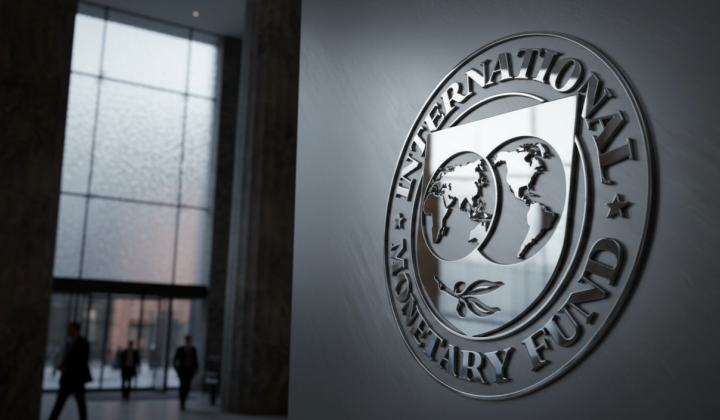
IMF Influence on Ukraine's Financial Policy
According to ХВИЛЯ: Economist Danylo Monin, speaking on political analyst Yuriy Romanenko's broadcast, has alleged that senior Ukrainian officials are leveraging requirements from the International Monetary Fund (IMF) to advance unpopular fiscal decisions, particularly tax increases. He stated that the Ministry of Finance and other government representatives are actively promoting ideas to raise the tax burden on the population. The IMF's support is crucial for Ukraine's macroeconomic stability, but its policy conditions are often a source of domestic political tension.
Monin highlighted that the situation with the military levy occurred at the end of last year. This levy stands at 5% and, according to the economist, is a permanent feature of tax policy. He also noted that excise duties were raised at the start of the year, further intensifying the tax load on citizens.
Concerns Over Tax Initiatives
The economist expressed the view that Finance Minister Serhiy Marchenko and other officials have become very fond of the method for pushing their initiatives through the IMF.
"Marchenko, the finance minister, and all our officials really liked the way to push their wishes through the IMF," noted Danylo Monin.
He also voiced concern that officials decided to 'play bank' and, while negotiating a new program with the IMF, prepared unpopular decisions in the form of 'killing' private entrepreneurs (FOPs).
Monin emphasized that the tax burden will always be insufficient for certain government representatives.
"No matter how much you actually raise taxes for them, it will always be too little for them. This is just a one hundred percent fact," he added.
Thus, IMF demands continue to influence financial policy in Ukraine, creating conditions for introducing new taxes and raising existing ones, which causes concern among the population. Given the current economic situation, it is important for the public to be aware of potential changes in tax policy, as they could significantly impact the financial standing of Ukrainians and businesses. The continuation of negotiations with the IMF, as well as the implementation of proposed reforms, could become key moments for the country's economic stability.
In light of Monin's concerns about the financial strategies employed by Ukrainian officials, it's crucial to examine how these tactics relate to external funding. For instance, the economist has also challenged claims regarding the dependency of EU funding on IMF support, suggesting a more complex interplay. To explore this further, read more about his insights on the relationship between EU and IMF financing.

Read also