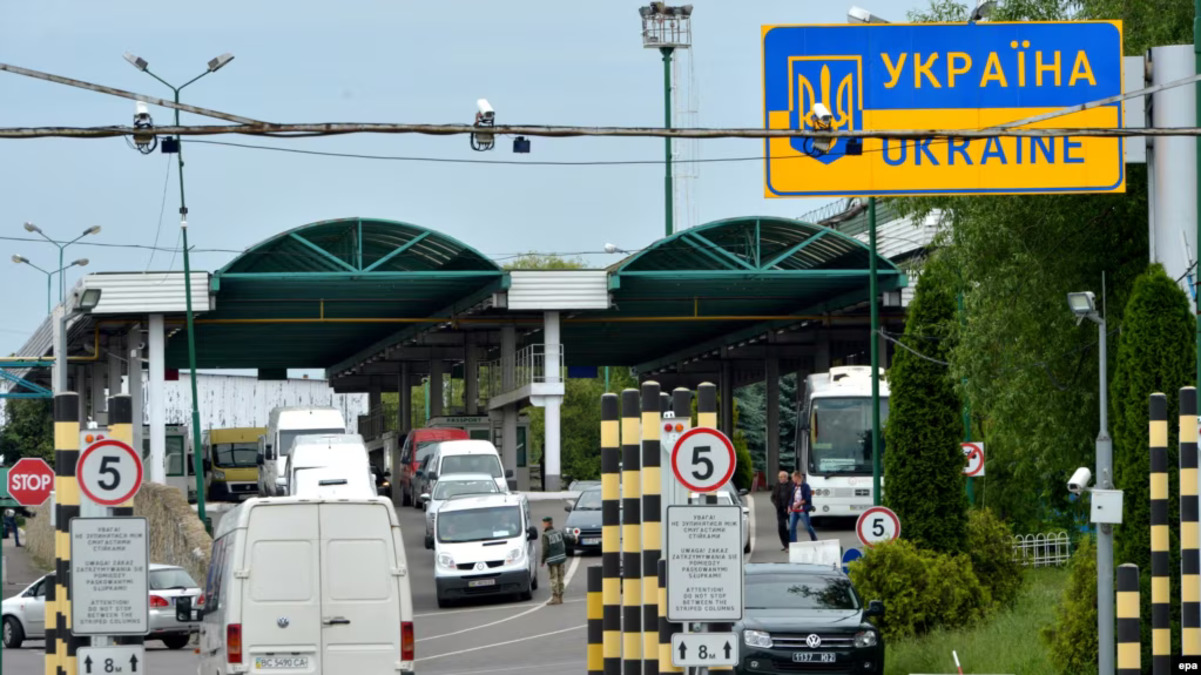
EU Entry Requirements: Proof of Funds Needed at Polish and Other Borders

Financial Requirements for Ukrainian Citizens Entering the EU
According to ХВИЛЯ: Ukrainian citizens traveling to the European Union must meet specific financial requirements set by individual member states. These rules are designed to ensure visitors can support themselves during their stay. Failure to provide proof of sufficient funds can result in being denied entry at the border.
Required Proof of Funds for Entry
Polish regulations, established by a 2015 Ministry of Interior decree, require travelers to have 300 Polish złoty for a stay of up to 4 days. For visits exceeding 4 days, an additional 75 złoty per day is mandatory. These amounts are a standard requirement to demonstrate financial self-sufficiency.
Other EU countries have their own daily financial thresholds:
- Slovakia: 56 euros per day of stay.
- Hungary: A minimum of 3 euros per day.
- Romania: No official fixed amount, but travelers are advised to carry sufficient funds for a comfortable stay.
Several forms of proof are acceptable at border control:
- Cash in the local currency, euros, or US dollars;
- An official bank statement;
- Proof of prepaid accommodation;
- A return ticket.
Presenting these documents can help prevent issues with border officials.
It's worth noting that Ukraine also sets financial requirements for foreigners entering its territory. According to a current Cabinet of Ministers decree, foreigners must have an amount equivalent to 20 times the monthly subsistence minimum for able-bodied persons for their intended stay. Therefore, adhering to financial proof requirements is a crucial aspect of seamless travel to EU countries.
These EU entry rules are part of broader immigration policies aimed at managing the flow of tourists and foreign nationals. With travel increasing, it is essential for Ukrainian citizens to be aware of these regulations to avoid complications. Demonstrating adequate funds also reflects a traveler's economic capacity and preparedness for a self-supported visit.

Read also