Ebola Outbreak in Africa Declared a Global Health Emergency by WHO

Ebola Virus Outbreak in the DRC and Uganda
According to Главком: On May 17, 2026, the World Health Organization (WHO) classified the Ebola outbreak in the Democratic Republic of the Congo (DRC) and Uganda as a Public Health Emergency of International Concern. This outbreak involves the Bundibugyo strain (BDBV), for which there are currently no approved vaccines or specific treatments. The WHO is urging stronger containment measures and the launch of clinical trials.
As of May 16, eight laboratory-confirmed cases had been reported in Ituri Province, DRC. In the same province, 246 suspected cases and 80 suspected deaths were also identified. The cases are spread across three health zones: Bunia, Rwampara, and Mongbwalu. In Uganda's capital, Kampala, two confirmed cases were found among individuals arriving from the DRC, one of which was fatal. Additionally, on May 16, a confirmed case was recorded in Kinshasa in a person who had returned from Ituri.
Characteristics and Response Measures
The Bundibugyo strain has a high fatality rate, potentially reaching 50%. The disease spreads through direct contact with infected bodily fluids or the bodies of deceased individuals. At least four healthcare workers in the outbreak zone have died with symptoms of viral hemorrhagic fever. The region previously experienced a major Ebola epidemic in 2018-2019, affecting North Kivu and Ituri provinces.
The WHO is calling on the DRC and Uganda to activate national emergency operations centers under the leadership of their heads of state. The organization strongly demands:
- Strengthening epidemiological surveillance and laboratory diagnostics;
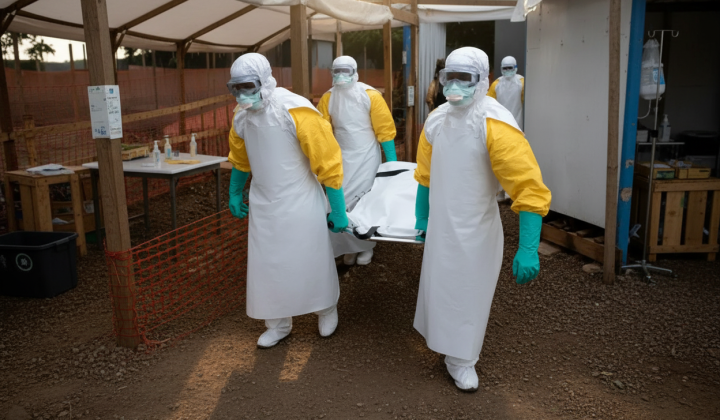
- Implementing strict infection control protocols in healthcare facilities;
- Setting up specialized treatment centers near outbreak hotspots.
To prevent virus spread during ritual burials, trained personnel must be involved. Furthermore, countries bordering the DRC are advised to enhance preparedness by deploying mobile response teams, equipping laboratories, and implementing screening at international airports and major border crossings. The WHO firmly opposes border closures and calls for the immediate initiation of clinical trials for vaccine and drug candidates during the outbreak itself.
The Ebola outbreak in the DRC and Uganda underscores the need for international cooperation in combating epidemics.
Past experience with Ebola in the region, particularly the 2018-2019 epidemic, shows that rapid response and effective control measures can significantly reduce the risk of further spread. It is critical that international organizations and neighboring countries remain prepared for potential challenges, as epidemics can have serious consequences not only for public health but also for economic and social stability in the region.
As the WHO emphasizes the urgent need for enhanced containment measures in the face of the Ebola outbreak, similar calls for vigilance are being made following a recent surge in hantavirus cases. This highlights the critical importance of robust disease surveillance systems to prevent further public health crises.

Read also