A New Wild Cat Species, Leopardus tilcayo, Discovered in Bolivia After More Than a Century

Discovery of a Previously Unknown Wild Cat Species
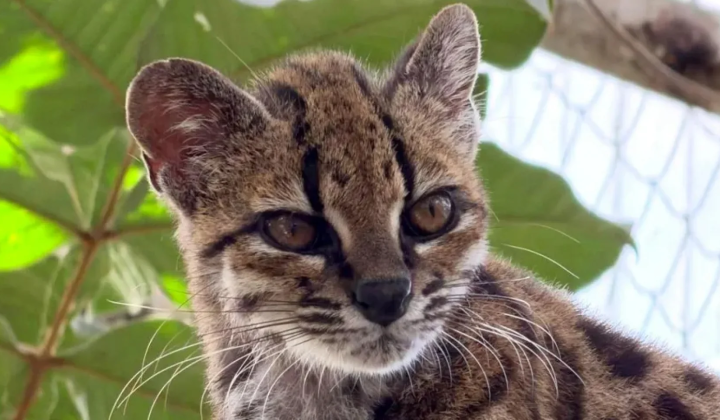
According to НВ — Техно: An international team of researchers has identified and formally described a new wild cat species named Leopardus tilcayo. This marks the first time in over 100 years that a new living cat species has been officially recognized. The finding reveals previously unknown biodiversity within the tiger cat group native to Central and South America. Currently, only one confirmed individual of this species is known, residing in a protected reserve in Bolivia. This cat, affectionately called Tigrino, is 10 years old.
Research Insights and Conservation Importance
The breakthrough came from genetic studies that demonstrated there are five distinct tiger cat species, not just three as previously believed. These cats range from Costa Rica down to Bolivia and Argentina but face vulnerability due to deforestation, habitat loss, and illegal hunting. Officially, there are 41 recognized wild cat species worldwide; the recent addition of Leopardus tilcayo raises that number to at least 44.
Paola Nogales-Ascarunz, a researcher at the Universidad Mayor de San Andrés in La Paz, Bolivia, expressed her amazement:
"It's incredible to add a new species like Leopardus tilcayo to the global catalog. It’s surprising that new species are still waiting to be discovered-not in remote volcanoes, islands, or deep oceans, but right here on land." Paola Nogales-Ascarunz
Fellow scientist Caroline Sartor added:
"These cats are about the size of a domestic cat, so you might think we already know them all. Yet this discovery highlights how much biodiversity remains hidden, especially in understudied regions." Caroline Sartor
Andrew Kitchener, a mammal expert at the National Museums Scotland, noted that these cats are often confused due to their similar appearances and the scarcity of museum specimens. He emphasized that genetic research continues to reveal new species distinctions within this group.
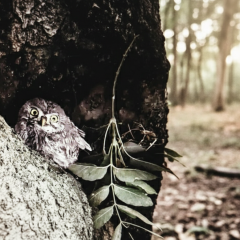
In addition to Leopardus tilcayo, scientists have described a new owl species-the horned owl Bubo jalca-found in the high-altitude areas of the Peruvian Andes. This owl is so rare that researchers have yet to capture a photograph of it in the wild. These discoveries highlight the critical need to protect natural habitats and continue biodiversity studies in regions that remain largely unexplored.
The identification of Leopardus tilcayo and the horned owl Bubo jalca underscores the vital role of scientific research in uncovering Earth's biodiversity. It also stresses the urgency of conserving natural ecosystems, as many species face threats from human activities. Further exploration in poorly studied areas may reveal even more species, deepening our understanding and aiding in the preservation of the planet’s unique wildlife.
The discovery of a rare owl species in the Andes further emphasizes the rich biodiversity present in South America. Just as the identification of Leopardus tilcayo challenges previous assumptions about wild cats, this recent finding highlights the importance of ongoing research in uncovering new species that contribute to our understanding of the region's ecology.

Read also