As of January 1, 2026, tariffs for biometric passports and ID cards have increased: new prices

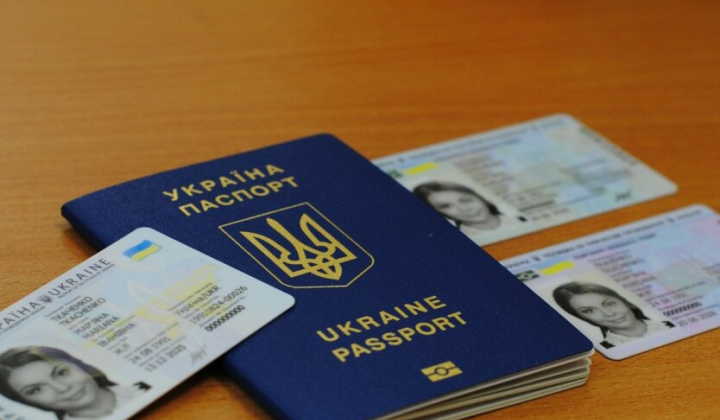
Changes in tariffs for biometric documents in Ukraine
As of January 1, 2026, tariffs for processing biometric documents, including ID cards and foreign passports, have increased in Ukraine. The changes affect both urgent and non-urgent document processing, which will impact the budgets of citizens planning to obtain these documents.
The cost of processing an ID card in non-urgent mode has risen from 558 UAH to 618 UAH. For those who need urgent processing, the price has increased from 928 UAH to 988 UAH. Similar changes have also occurred in the cost of foreign passports. Processing a passport in non-urgent mode has risen from 1042 UAH to 1147 UAH, while urgent processing has increased from 1682 UAH to 1787 UAH.
Comparative price table for biometric documents
- Document type: ID card (non-urgent) - Processing time: non-urgent - Old price: 558 UAH - New price (from 01.01.2026): 618 UAH
- Document type: ID card (urgent) - Processing time: urgent - Old price: 928 UAH - New price (from 01.01.2026): 988 UAH
- Document type: Foreign passport (non-urgent) - Processing time: non-urgent - Old price: 1042 UAH - New price (from 01.01.2026): 1147 UAH
- Document type: Foreign passport (urgent) - Processing time: urgent - Old price: 1682 UAH - New price (from 01.01.2026): 1787 UAH
- Document type: Permanent residence permit - Processing time: - - Old price: - - New price: 1235 UAH
- Document type: Temporary residence permit - Processing time: - - Old price: - - New price: 1140 UAH
These changes reflect current trends in the pricing policy for public services in Ukraine.
The increase in tariffs for biometric documents may be part of a broader government strategy aimed at optimizing spending and increasing state budget revenues. In conditions of economic instability, it is important for citizens to be prepared for such changes that may affect their financial capabilities.
Free issuance of ID cards for new citizens remains an important step in supporting social accessibility of public services.

Read also