A Global Food Crisis Looms: How a Strait of Hormuz Closure Threatens Northern Hemisphere Harvests

Potential Consequences of a Strait of Hormuz Closure
According to ХВИЛЯ: George Friedman, Chairman of Geopolitical Futures, has issued a stark warning that a closure of the Strait of Hormuz could trigger a fertilizer shortage, directly endangering the spring planting season across the Northern Hemisphere. He emphasized that natural gas is a critical component in fertilizer production, and a lack of these vital agricultural inputs could become a severe global problem. The Strait is a crucial maritime chokepoint for global energy supplies, making its security a matter of international economic stability.
Friedman also noted that Australian farmers are already facing difficulties, securing only a quarter of the nitrogen fertilizer they need for the upcoming season. Meanwhile, British analysts forecast that supermarket prices could rise by up to 8% if the situation does not improve.
The Drone Threat Complicates the Situation
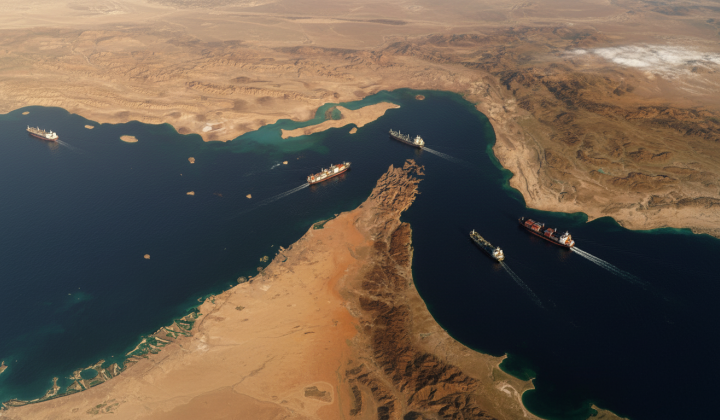
In the past, naval forces could push Iranian forces back 40-50 miles to secure safe passage through the Strait. However, Friedman stated that forcibly reopening the waterway has become significantly more complex due to the threat posed by drones.
"No insurer would underwrite a ship that has to spend hours traversing a narrow strait under threat from drones." - George Friedman
Ships attempting to navigate the narrow channel of the Strait of Hormuz can spend hours on this perilous journey. These circumstances raise serious concerns about fertilizer supply and regional food security, with potentially severe consequences for the agricultural sector.
A closure of the Strait of Hormuz could have far-reaching effects on the global agricultural market, as the region is a vital transit route for the oil and gas used in fertilizer production. In the event of prolonged supply disruptions, farmers worldwide could face serious challenges, heightening risks to food security and price stability. This scenario could also provoke international political tensions and necessitate new solutions for securing maritime trade routes.
As the situation in the Strait of Hormuz escalates, the implications for global food supply chains become increasingly dire. Understanding the historical context of how US-Iran tensions have previously disrupted energy supplies can provide valuable insights into potential outcomes for agricultural sectors reliant on fertilizer imports.

Read also