Western Nations Still Buying Russian Oil and Gas via Intermediaries, Using Gold and Bitcoin for Payments

Energy Market Dynamics
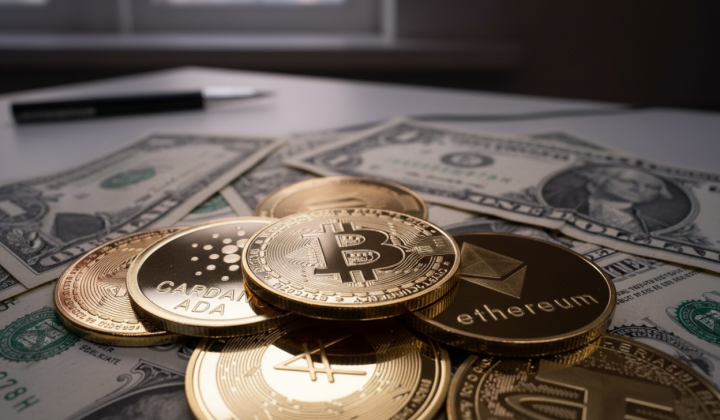
According to ХВИЛЯ: During a broadcast with political analyst Yuri Romanenko, entrepreneur and market analyst Denis Dolinsky revealed that Western countries continue to purchase Russian natural gas and crude oil through intermediary nations, settling transactions with gold and Bitcoin. According to Dolinsky, European nations have not abandoned Russian energy supplies; instead, they simply redirect contracts through different jurisdictions and corporate entities. He emphasized that this practice exposes a double standard: politicians publicly announce bans while these resources still flow into their economies.
Dolinsky also highlighted severe consequences arising from logistical bottlenecks. Iran, for instance, loses roughly $500 million daily due to a non-operational channel, a disruption that harms not only the country itself but also the broader Middle East region. He stated:
“This also hits the countries that service Iran-essentially the entire Middle East. It triggers instability across the whole region and affects many different economic sectors.” - Denis Dolinsky
The growing complexity of transport routes inevitably impacts global food supplies, especially when goods have limited shelf lives.
Financial Crisis Forecasts
Looking ahead, Dolinsky predicts a hybrid financial crisis that will merge classic economic depression with technological upheaval. He argues that “many countries will have to figure out how to withdraw liquidity from the market.” This could lead to new security-related restrictions that accelerate the shift toward digital currencies, as traditional fiat money may lose credibility. He added:
“Fiat currencies could become less valuable than electronic ones. So the crisis will be, let's say, hybrid and extremely unusual.” - Denis Dolinsky
Dolinsky stressed that the global system of production and consumption cannot simply halt on officials' orders. “Neither oil extraction nor food production can stop. Logistics have just become more complicated and are operating through alternative routes at slightly reduced volumes,” he noted. The outlook suggests the world is entering an entirely uncharted phase where digital money may become the only viable replacement for cash, and the impending financial collapse will differ significantly from any previous downturn.
The situation described by Dolinsky underscores the complexity of international economics amid geopolitical conflicts and sanctions. The indirect import of Russian energy through third countries shows that despite official statements, Western nations continue to meet their energy needs-a reality that can reshape political and economic relationships between states.
At the same time, predictions of a financial crisis highlight the need to adapt to new realities, where digital currencies could become a critical tool in the global economy. This shift may fundamentally alter market rules and affect the prosperity of nations, especially those reliant on traditional financial instruments.
The ongoing complexities in global transport systems are not only affecting energy supplies but also pose significant risks to food security. As highlighted by Denis Dolinsky, the ramifications of these disruptions are felt across various sectors, particularly in the Middle East. For a deeper understanding of how these transport challenges are evolving and the potential consequences for international trade, see the full analysis on the paralysis threat facing global transport routes.

Read also