Three Key Reasons Smartphone Cases Are Becoming Obsolete

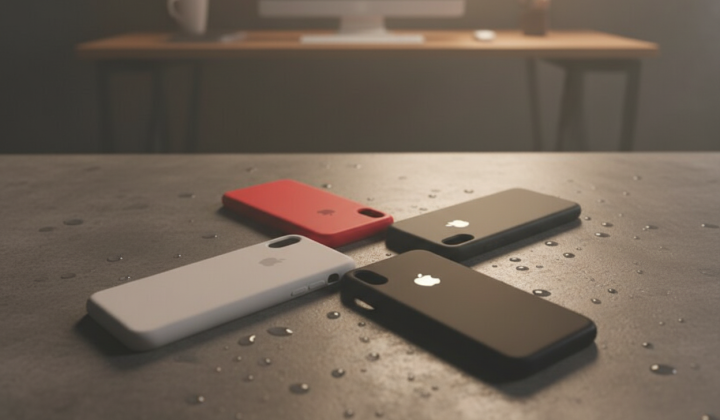
The Declining Need for Protective Cases
According to ХВИЛЯ: A clear trend is emerging where smartphone users are moving away from protective cases. This shift is driven by the increased durability of new phone models, the widespread availability of insurance plans, and the practical drawbacks of the cases themselves. Modern flagship devices from companies like Apple and Samsung are now constructed with premium materials such as titanium and aluminum, significantly boosting their resistance to physical damage.
For instance, the new iPhone 17 Pro Max reportedly survived being tossed into the air without a scratch, demonstrating its robust build. Other manufacturers, including Google, Sony, and Samsung, are also incorporating protective glass like Corning Gorilla Glass to shield screens from scratches and cracks. The Samsung Galaxy S26 series takes this a step further with the even more resilient Gorilla Armor 2 glass.
Insurance Plans and Practical Downsides
Beyond physical toughness, manufacturer-backed insurance programs are reducing the perceived need for bulky cases. Google offers Pixel Care+, while Samsung provides Samsung Care+, both covering accidental damage, loss, or theft. These plans give users greater peace of mind, knowing they can file a claim if an accident occurs.
However, despite these advantages, protective cases come with notable practical disadvantages. They can:
- Hide a phone's sleek, original design;
- Trap dust and debris that can scratch the device's surface;
- Add unnecessary bulk and weight.
To illustrate, the Google Pixel 10 Pro XL weighs 230 grams and is 7.6 mm thick; adding a case makes it even heavier and larger, which may be unappealing to users who prefer lightweight, compact devices. This trend reflects a broader consumer preference for experiencing a phone's design as intended by its engineers.
In summary, the declining necessity for smartphone cases stems from both technological advancements in manufacturing and new services offered by manufacturers. Users must also consider the practical shortcomings of cases, which can detract from the overall user experience.
Given these factors, the smartphone market is gradually adapting to new realities. This evolution may lead to reduced demand for traditional protective cases and increased interest in new accessory forms that better blend aesthetics with functionality. Manufacturers are likely to continue investing in technologies that enhance device durability and in comprehensive insurance programs to meet evolving consumer expectations.

Read also