Patient Revived After 25-Minute Cardiac Arrest in Transcarpathia

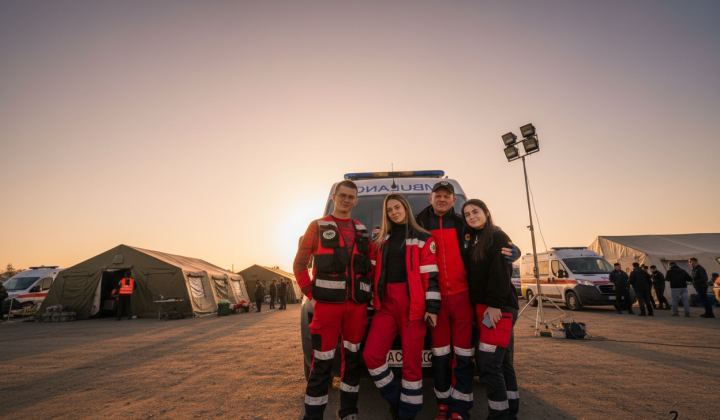
Resuscitation in Transcarpathia
According to Главком: Medical professionals in the Transcarpathian region successfully resuscitated a man whose heart had stopped for 25 minutes. The incident began with a sudden respiratory arrest, prompting a rapid response from an emergency medical team. Specialists performed resuscitation efforts for over 20 minutes, ultimately restoring the patient's heart rhythm at the 25-minute mark. The patient is currently in intensive care under medical supervision in a stable but serious condition.
According to the medical service, the No. 100 emergency team arrived on the scene within minutes and continued the fight for the patient's life. It is crucial to understand that during cardiac arrest, blood circulation ceases instantly, which is critical for the brain, as it can survive without oxygen for only 4 to 5 minutes before irreversible damage begins.
'Our hands act as a mechanical pump. Correct chest compressions maintain the minimum necessary pressure to 'push' the remaining oxygen to the brain and the heart muscle itself. This is the vital bridge, without which precious time can be lost forever.' - Transcarpathian Emergency Service 103
Serbian Interior Minister Hospitalized
In a separate report, Serbian Interior Minister Ivica Dačić has been hospitalized. He was urgently admitted to the Pulmonology Clinic of the Clinical Center of Serbia with severe pneumonia. The patient's condition is very serious, and doctors state that the next 72 hours will be decisive for his outcome. The deputy director of the pulmonology department, Spasoje Popović, reported on the grave situation Dačić is facing.
These two separate cases of respiratory and cardiac failure highlight the critical importance of emergency medical intervention. The Transcarpathian case demonstrates how the swift action of medical teams can save a life even under the most challenging circumstances. Meanwhile, the condition of Serbian Interior Minister Ivica Dačić underscores the severity of respiratory illnesses, which can rapidly become life-threatening. Both incidents reflect the urgent need for professional medical aid and its accessibility to the public.

Read also