Why Zelenskyy Chose an Open Letter Over a Private Message to Putin

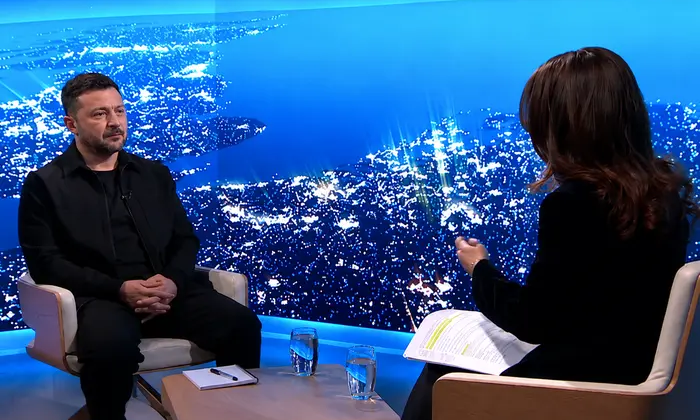
Ukraine’s President Speaks Out
According to Главком: Ukrainian President Volodymyr Zelenskyy has explained his decision to address Russian President Vladimir Putin through a public letter rather than a private communication. On June 4, the Office of the President of Ukraine released the statement, in which Zelenskyy proposed a face-to-face meeting in a neutral country, a ceasefire during negotiations, and a large-scale prisoner exchange based on an "all for all" formula.
Russia’s Response
Putin reacted to Zelenskyy’s letter at the St. Petersburg International Economic Forum (SPIEF), calling it "rude" and claiming it was written to complicate the possibility of a leaders’ meeting. "It’s not about age, but about competence," Putin remarked, referring to a paragraph about his age. He also stressed that he had never refused a meeting with Zelenskyy but currently saw no point in such a meeting.
Putin’s spokesman, Dmitry Peskov, rejected the idea of negotiations in third countries, issuing an ultimatum: "If Zelenskyy wants a meeting, let him come to Moscow." Russian Foreign Minister Sergey Lavrov, for his part, stated that Moscow was supposedly ready for talks but saw no willingness for dialogue from the Ukrainian side.
Ukraine’s Ministry of Foreign Affairs warned that Putin had missed his chance to exit a losing war. In his address, Zelenskyy noted: "Russia has shut down the internet and blocked many different things. Because of this, Ukraine has extremely limited opportunities to directly convey its signals to the citizens and authorities of Russia."
This situation underscores the complexity of diplomatic relations between Ukraine and Russia, which have intensified amid the ongoing conflict. Zelenskyy’s open letter reflects an effort to draw attention to the humanitarian aspects of the war, particularly prisoner exchanges. At the same time, the Russian leadership’s reaction indicates a refusal to engage in constructive dialogue, which could complicate the search for a peaceful resolution to the conflict in the near future.
In light of Zelenskyy's call for a direct dialogue with Putin, it is essential to consider the implications of his proposal for a comprehensive prisoner exchange. This initiative aims to foster a more constructive atmosphere for negotiations, highlighting the urgent need for humanitarian solutions amid the conflict. For further details on Zelenskyy’s suggestions regarding direct talks and the potential for an all-encompassing prisoner swap, visit this report.

Read also