Climate Change Imperils Winter Olympics: Only Four Hosts to Have Natural Snow by 2050

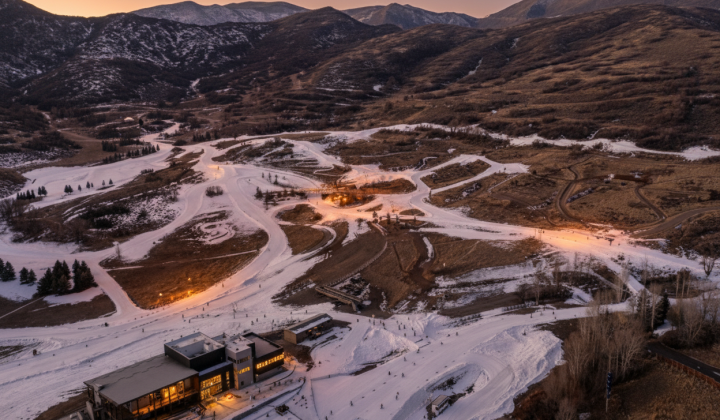
Future of Winter Games in Jeopardy as Warming Threatens Host Cities
According to Главком: A stark scientific forecast warns that global warming will render most potential venues unsuitable for the Winter Olympics within a quarter century. An analysis of 93 potential host locations reveals that by the 2050s, only 52 will remain climatically reliable for the Games. Alarmingly, just four of these sites are projected to reliably offer natural snow for competition:
- Niseko, Japan
- Terskol, Russia
- Val d'Isère, France
- Courchevel, France
The climate shift is already measurable. Since 1950, average February temperatures in past Olympic host cities have risen by 2.7°C. For instance, Cortina d'Ampezzo has warmed by 3.6°C since 1950 and now has 41 fewer days below freezing each year. This warming directly impacts athlete safety, as evidenced by the 2014 Sochi Games, where unseasonably warm conditions contributed to a high number of crashes and injuries.
Artificial Snow and New Environmental Mandates
Facing this reality, organizers for the Milan-Cortina 2026 Games plan to rely heavily on artificial snow, manufacturing an estimated 2.4 million cubic meters of it. This process will require about 950 million liters of water-enough to fill 380 Olympic-sized swimming pools. The challenge was highlighted in December 2025, when unseasonably high temperatures in Italy forced snowmaking operations to occur only at night.
The outlook for the Winter Paralympics is similarly constrained, with 22 reliable host locations projected by the 2050s. However, under a worst-case emissions scenario, that number could plummet to just four. In response, organizers are considering merging the Olympic and Paralympic schedules or moving the Games to earlier dates in the winter season.
Recognizing the crisis, the International Olympic Committee (IOC) has mandated that all host cities starting from 2030 must legally commit to minimizing emissions and protecting the environment. This requirement underscores the severity of the situation and the urgent need for adaptation to preserve winter sports. The Winter Olympics, a multi-billion dollar global event, now faces an existential threat that could reshape international sporting culture.
This scenario underscores the critical need for winter sports to adapt to new climatic realities and for a global commitment to combating climate change.
While new environmental standards and technologies like artificial snow may be key to continuing the Olympic tradition, they also raise significant questions about the long-term sustainability and ecological cost of such solutions in a warming world.

Read also