Inside Occupied Ukraine: Service Collapse, Ideological Coercion, and the Forcible Transfer of Children

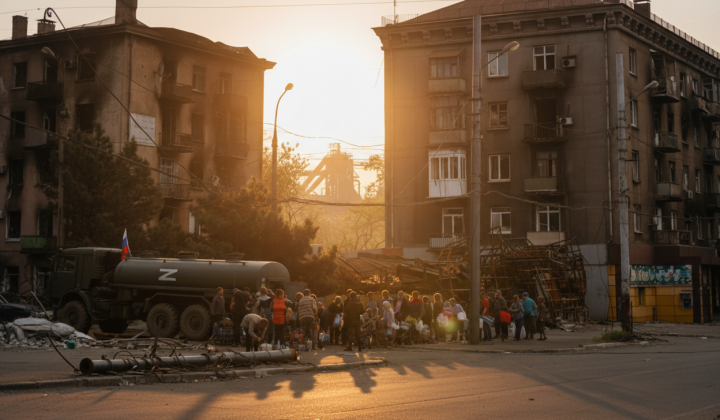
Life Under Russian Occupation: A Crisis of Services, Rights, and Identity
According to Главком: In the Ukrainian territories occupied by Russia-specifically in the Donetsk, Luhansk, Kherson, and Zaporizhzhia regions-a full-scale collapse of basic services, systematic human rights violations, ideological pressure, and the deportation of children are being documented. This ongoing war, now in its fourth year, has left millions under the control of an occupation authority. The situation represents a profound humanitarian and legal crisis that has drawn sustained international condemnation.
Residents in cities like Alchevsk and Donetsk are forced to wait for water trucks or seek warmth in public heating points due to destroyed supply networks. The occupation administration is coercively imposing Russian citizenship, language, and altered school curricula, raising grave concerns about the education and cultural identity of children in these regions. Refusing a Russian Federation passport often leads to the denial of healthcare and social benefits, further compounding the dire living conditions for the local population.
The Ruin of Mariupol and the Systematic Deportation of Minors
In the devastated city of Mariupol, newly rebuilt housing is frequently sold to incoming Russians, provoking outrage among displaced locals. Human rights monitors report a network of secret prisons where thousands of civilians are held without charge. Individuals are subjected to filtration at checkpoints, forced undressing to check for tattoos, and searches of their mobile phones. According to the Ukrainian Ombudsman, the number of civilians illegally detained could reach tens of thousands.
The forcible transfer of children is a matter of particular alarm. The Main Intelligence Directorate of Ukraine's Ministry of Defense has published data on the organizations and individuals involved in this process. Notably, the Russian 'Cultural Map' project facilitates the movement of thousands of adolescents from temporarily occupied territories to Russia. The Kremlin is also considering establishing a permanent interdepartmental group to promote narratives on 'traditional values.' As noted by the Foreign Intelligence Service, while formally presented as an effort to create a family-oriented environment, the planned set of tools indicates a further intensification of ideological control over the occupied population.
The situation in the occupied territories remains critical and continues to cause deep concern within the international community.
Conditions in Ukraine's occupied regions point to systematic human rights abuses and attempts to erase the cultural identity of the local populace. The war-induced hardships, including the lack of basic services and forced assimilation, are likely to have severe long-term consequences for future generations. The international community continues to monitor developments, as the situation demands urgent attention and response. The issue of child deportations and their future remains especially sensitive and requires broader discussion at a global level.

Read also