50 deputies with suspicions: over 2 billion hryvnias in declared income within a year

Situation with deputies under criminal suspicion
According to Главком: Currently, there are 50 deputies in the Verkhovna Rada of Ukraine who have been announced as having suspicions of criminal offenses. Over the past year, these parliamentarians declared more than 2 billion hryvnias in income, part of which was used to purchase real estate abroad and valuables. To secure their release on bail, they paid 230 million hryvnias.
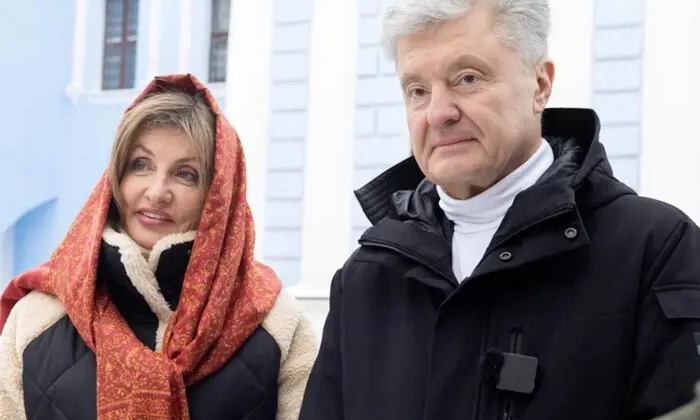
Among the deputies with suspicions is Petro Poroshenko, who together with his wife declared 4 billion hryvnias in income, of which 800 thousand hryvnias is his deputy salary. Poroshenko's declaration also includes a non-monetary gift for his wife Marina valued at almost 1 billion hryvnias. Kostyantyn Bondariev declared 38 million hryvnias in a year, of which 3.3 million is his personal income. Iryna Koryshkina together with her husband declared 50 million hryvnias, while Yuriy Kisiel noted 10 million hryvnias in income, less than one million of which is his own earnings.
Status of deputies and their declarations
Overall, during the year and the beginning of this year, suspicions were announced to another 15 parliamentarians. Deputies who went into hiding did not receive budget funds: Artem Dmytruk, Yaroslav Dubnevich, and Serhiy Shakhov. Oleksandr K unitytsky has been abroad for more than a year without an official suspicion and occupies an apartment in Canada of 43 square meters, however, this property was not mentioned in his declaration for 2024.
Declarations were not submitted by deputies who are in pre-trial detention, including Oleksandr Dubinsky, Yevheniy Shevchenko, Nestor Shufrych, and Oleksandr Ponomaryov. Declarations were also not submitted by Anatoliy Hunko and Andriy Odarchenko. Fedor Khrystenko, convicted of treason, submitted a declaration.
In 2025 and early 2026, nine parliamentarians were released on bail, paying a total of 230 million hryvnias. This indicates that the situation with deputies who have suspicions remains quite tense and requires further attention from society and law enforcement agencies.
The situation with deputies who have criminal suspicions underscores the challenges that Ukrainian politics faces in the context of combating corruption and accountability.
The presence of a significant number of parliamentarians with announced suspicions raises concerns about trust in government institutions and their ability to perform their functions. These events may also impact the future political climate in Ukraine, particularly elections and public opinion regarding the ruling structures.
As the situation unfolds with the 50 deputies facing criminal suspicions, it is worth noting that similar cases are emerging across the country. For instance, a deputy from Kherson is currently under scrutiny for allegedly concealing significant assets in their declarations. This highlights a broader trend of accountability issues among public officials. To learn more about this specific case and its implications, read about the charges against the Kherson Council deputy.

Read also