Skill Shortages Plague 81% of Companies: Seven Talent Management Strategies to Counteract It

The Shift to Integrated Talent Management in Large Corporations
According to AIHR: Major corporations are moving away from isolated HR functions and toward a unified, skill-centric talent management system that prioritizes internal mobility. This strategic pivot is critical in today's market, where a staggering 81% of boards view skill shortages as the primary threat to organizational growth, and 83% of HR leaders struggle to find the right talent. The skills required for a single role are expanding by 5.4% annually, with one-third of the skills needed in 2019 already obsolete.
Internal Mobility as a Core Talent Strategy
Fostering internal career movement is now a key driver of employee engagement. Research indicates that employees with strong internal mobility are 2.46 times more likely to report high engagement levels. To address this, leading companies are implementing diverse talent initiatives:
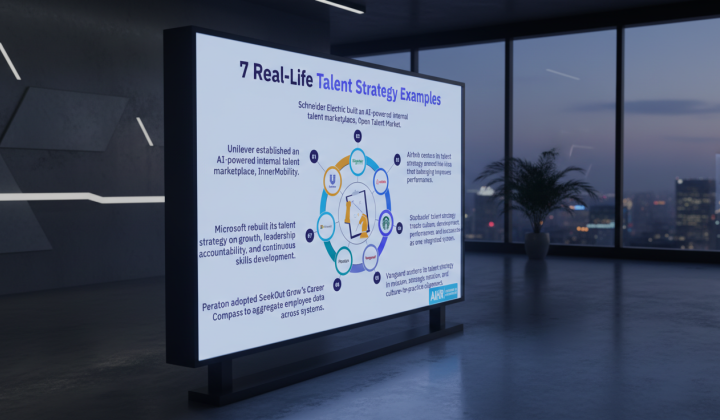
- Unilever: Its digital graduate hiring program cut recruitment time by roughly 75% and saved over £1 million.
- Schneider Electric: Found that nearly 50% of departing employees cited a lack of internal growth opportunities. The company's 'Open Talent Market' platform unlocked over 200,000 hours of hidden capacity, generating more than $15 million in productivity gains.
- Starbucks: Provides an average of 20 training hours per employee annually. As of 2023, its leadership is 47% gender diverse, with 18.5% BIPOC representation.
- Vanguard: Maintains an 8% employee turnover rate, nearly half the industry average. In a recent officer-level promotion cohort, 44% of employees had experience across multiple company divisions.
- Peraton: After launching an internal talent marketplace, saw internal job applications increase by nearly 10%.
These cases collectively demonstrate that integrating HR processes with a focus on internal mobility and skill development is fundamental to modern talent management.
Don't f*** up the culture.
Brian Chesky, CEO of Airbnb
This blunt advice underscores the necessity of cultivating a supportive environment for talent growth. The key takeaway is that isolated excellence does not create a sustainable advantage; real impact occurs when these elements are combined and aligned with business priorities. Organizations that can deploy and develop skills in real time respond faster to change, reduce reliance on external hiring, and unlock existing potential.
The transition to integrated talent systems reflects the contemporary challenges organizations face in a rapidly evolving labor market. Successfully implementing internal mobility and skill development strategies not only improves talent retention but also builds business resilience amid skilled labor shortages. These initiatives are vital not just for boosting productivity, but for creating a positive corporate environment that fosters employee engagement and professional growth.

Read also