Record Warm, Dry March 2026 Brings Early Apricot Blossoms to Kyiv

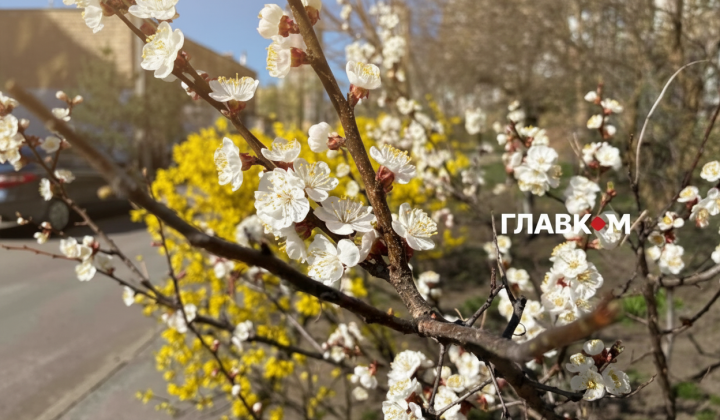
Apricot Trees Bloom in Kyiv
According to Главком: Apricot trees have begun to flower in Kyiv, with the phenomenon first observed on April 6. While apricots are among the most common fruit trees in the city, their peak blooming period is relatively brief. The delicate blossoms are vulnerable to strong winds and heavy rain, which can hinder their development. This early bloom is a notable sign of shifting seasonal patterns in the region.
March Weather Shatters Records
The meteorological spring in the Kyiv region commenced with broken records. On March 1, the temperature at the Chornobyl weather station reached +13.8°C, surpassing the previous high set in 2017. Overall, March 2026 in Kyiv was abnormally warm and exceptionally dry. The average monthly air temperature was +6.7°C, which is 4.2°C above the climatic norm, ranking it as the fourth warmest March in the capital's recorded history.
Furthermore, March 2026 proved to be the driest March in Kyiv since 1891. On Prospekt Nauky, only 1 mm of precipitation was recorded for the entire month-a mere 3% of the monthly average. Such significant meteorological anomalies inevitably disrupt natural cycles and can have consequences for the city's vegetation.
The blossoming of apricots traditionally signals the start of spring, but the unusually warm and arid conditions may adversely affect the plants. A lack of rainfall combined with high temperatures could lead to reduced fruit yields and impact the urban ecosystem as a whole. Monitoring these natural changes is becoming increasingly critical for agronomists and ecologists studying the local effects of a changing climate.
The unusual weather patterns observed in March have raised concerns about the broader implications for the environment. As noted in our recent report on Kyiv's driest March in 135 years, such climatic extremes can significantly affect local ecosystems and agricultural productivity. Understanding these changes is vital for assessing their impact on the region's flora and fauna.

Read also