A nuclear blast could be enough to shatter an incoming 'killer asteroid'

Why It Could Work
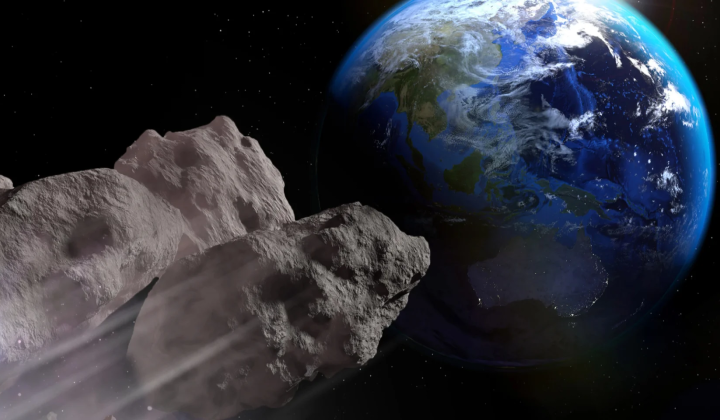
According to НВ — Техно: Researchers have simulated using a nuclear explosion to stop a threatening asteroid. In a study led by scientists at the U.S. Lawrence Livermore National Laboratory, computer modeling showed that detonating a one-megaton nuclear device a few meters from the surface of a 160-meter-wide asteroid could be an effective way to obliterate it. The explosion would not need to score a direct hit on the space rock itself.
Research and Results
The team built three detailed three-dimensional simulations, drawing on the shape and porous structure of asteroid Bennu, which was studied by a NASA spacecraft, and on strength data from the Chelyabinsk meteorite that exploded over Russia in 2013 and the Aba Panu meteorite that fell in Nigeria in 2018. In one simulation, the nuclear charge was positioned 10 meters above the asteroid's surface. Within 145 milliseconds of detonation, 98.2% of the body's material was completely destroyed, and about 97% of that material was moving faster than the speed required to escape the asteroid's own gravity. Fragments began moving in opposite directions, a sign the rock was breaking apart.
When the virtual blast was placed 25 meters from the surface, the damage was even more extensive. In that model, 92.6% of the asteroid had been fully disrupted 68 milliseconds after the explosion, compared with 78.1% in the 10-meter case. Researchers say they do not yet know how the debris would behave over the long term. Several scenarios remain possible:
- The asteroid could break apart completely.
- Some fragments could remain dangerous to Earth.
- Fragments could pull back together under gravity.
The calculations, which covered only the first 145 milliseconds after the blast, required 59 days of computing time on 1,680 processors. The simulation results represent one step toward assessing whether nuclear weapons could serve as a last-resort defense for Earth against asteroids.
These findings underline the value of preparing for potential threats from space, since an asteroid impact could be catastrophic. Such work supports the broader effort to plan emergency responses in case a dangerous asteroid is ever detected. Scientists are continuing to evaluate a range of approaches to deflecting incoming objects, and nuclear-blast modeling is only one of the options that will need more investigation. The results could help shape future strategies for protecting the planet.
As researchers explore methods to neutralize potential asteroid threats, such as those posed by Apophis, it becomes increasingly important to consider the various risks associated with space debris. Recent studies indicate that the impact of space junk on asteroids could complicate efforts to prevent catastrophic collisions with Earth. For a deeper understanding of this pressing issue, you can read more about the challenges faced by asteroid Apophis.

Read also