How to Dress for a Job Interview - What to Wear and Which Clothes Suit Candidates

A job interview may seem like a simple situation. In reality, everything depends on it: both the salary and the work schedule, as well as the opportunity for career growth. That's why the question of what to wear to an interview is also very important.
Moreover, the outfit for an interview can often make a candidate stand out among other potential employees. Therefore, it is advisable to always keep this detail in mind.
How to Dress for an Interview? Top 10 Tips

First of all, it is important to understand that dressing for an interview is not only a matter of fashion or style but also an essential element of the first impression a candidate makes on a potential employer. Many recruitment specialists emphasize that appearance can significantly affect how a person is perceived during the initial meeting. Even the best resume can lose some of its weight if a candidate arrives at the meeting in inappropriate or overly flashy attire. Conversely, a well-chosen look can highlight seriousness, responsibility, and readiness to work. That's why it’s worth thinking ahead about what to wear to look confident, neat, and meet corporate expectations.
To create the right impression on the employer, it is crucial to follow a few simple but effective rules:
- First, be guided by the industry of the company: in financial or government institutions, a conservative style is valued, while in creative agencies, you can afford a slightly looser look.
- Secondly, always pay attention to the cleanliness and neatness of your clothes — even the trendiest suit won't make an impression if it's wrinkled or dirty.
- Thirdly, think about accessories: they should be modest but at the same time highlight your individuality.
- The fourth tip concerns comfort — if you feel uncomfortable, it will immediately show during the conversation.
- Fifth — your shoes should match the style and season.
- Don’t forget about the time and place of the interview.
- Next — refrain from excessive perfume, overly revealing clothing, or loud jewelry.
- Another recommendation — if possible, find out the corporate dress code of the company.
- Don’t forget how much you'll need to move or even demonstrate your skills (specifics of defense work).
- And finally, it is important that your clothing helps you feel confident and sets a positive atmosphere.
These are universal but quite useful tips.
Classic or Business Attire
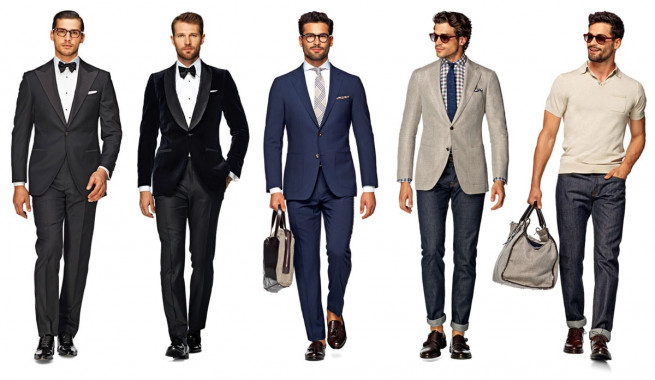
Classic style is always considered a fail-safe option for an interview. For men, this can be straight-cut trousers, a light-colored shirt, a blazer, or a suit in subdued colors. A tie is not a mandatory element, but in some fields, it adds solidity to the image. Women can opt for business dresses of medium length, pencil skirts combined with blouses, or suits with blazers. It is important that the clothes look modern but not overly fashionable or extravagant. Business style demonstrates a serious attitude of the candidate towards the future job and emphasizes their professionalism.
Neutral Colors (Black, Gray, Blue, White)

The color scheme is essential since colors can influence mood and perception. Neutral shades are best suited for interviews. Black emphasizes formality and discipline, gray — stability and seriousness, blue — trust and confidence, white — cleanliness and openness. At the same time, it's worth avoiding overly dark looks to not create an impression of gloom. A good combination of several colors works well: for example, a navy suit and a light shirt. Women can opt for pastel shades that look businesslike but also emphasize femininity.
Clean and Neat Clothing
Regardless of the style you choose, your outfit should be impeccably clean and ironed. Wrinkled pants or a stain on a blouse can ruin even the most carefully thought-out image. An employer may conclude that a candidate is inattentive or frivolous, which negatively affects the interview's outcome. Therefore, the day before, it’s worth checking all clothes, preparing them, and if necessary taking them to the dry cleaners or ironing them. Neatness in appearance demonstrates respect for the interlocutor and seriousness in the candidate's intentions.
Avoid Bright or Flashy Prints
Bright colors, large patterns, or prints may seem appropriate in everyday life, but for an interview, it’s better to avoid them. Such clothing diverts the recruiter’s attention from your professional qualities and creates an impression of frivolity. This especially applies to neon shades, glitter, or very trendy style experiments. If you want to add individuality, you can do so through a small accessory: for example, classic earrings, an elegant watch, or a modest scarf. The important thing is that your clothing highlights your professionalism rather than becoming the main focus of attention.
Moderate Length of Skirts or Pants

Women should pay attention to the length of the skirt or dress. The optimal option is to the knee or slightly below. Too short skirts can look inappropriate and create an impression of frivolity. On the other hand, overly long and voluminous models may also not always be appropriate. For men, it’s crucial to choose the right length of trousers: they should fit well, not be too short or too long. A neat cut and proper length help to create a tidy and professional image.
Clean and Businesslike Shoes
Shoes are a detail that recruiters pay more attention to than seems. Clean, polished shoes or elegant classic boots always create a good impression. Women may opt for low-heeled shoes, loafers, or neat ballet flats. It’s important that the shoes are comfortable since discomfort can negatively affect your confidence during the conversation. It’s worth avoiding sporty styles and sneakers (unless it’s a creative company with a lenient dress code), as well as overly bright shoes. Businesslike and tidy shoes complete the look and emphasize the candidate's seriousness.
Minimal Accessories and Jewelry
Accessories can enhance the look or ruin it if there are too many. An interview is neither a runway nor a party, so it’s best to choose only those decorations that are appropriate in a business environment. Women may select classic small stud earrings, a thin chain, or a discreet bracelet. It’s important that the jewelry doesn’t distract the interlocutor from your words. If you wear a ring or a watch — it’s acceptable, but avoid excessive large or massive items. For men, accessories should also be minimal: a classic style watch and possibly a belt that matches the shoes. Too much metal, leather bracelets, or chains can create an impression of unseriousness. Remember: the main focus during an interview should be on your competencies, not on jewelry.
Subdued Makeup and Neat Hairstyle

The candidate's appearance is largely shaped by makeup and hairstyle. Women should opt for light, natural makeup in subdued tones. Foundation to even out the skin tone, a bit of mascara, subtle eyeshadow, and a neat neutral lipstick — that’s quite enough. Bright makeup with red lipstick or dark eyeshadow is better left for festive events, as it may look inappropriate during the interview. Regarding the hairstyle, the main requirement is neatness. Hair should be clean, well-groomed, and styled in a way that doesn’t distract you or the recruiter. Loose hair can remain down if it is tidy, but it’s better to choose a light hairstyle or put it in a ponytail or bun. For men, it’s important that the haircut looks well-groomed without overgrown hair, and a beard or mustache are trimmed and tidy. A careless look in this respect can ruin the overall impression even with a perfect resume.
Limit on Perfume or Cologne
The scent is also an invisible part of your image. An overly strong fragrance can create discomfort for the interlocutor, as people have varying reactions to smells. Some may have allergies while others simply don’t prefer certain notes in perfumes. Therefore, it’s advisable to choose light, fresh, and neutral fragrances that are only slightly perceptible for an interview. An ideal solution would be one or two light spritzes of perfume or cologne. Avoid heavy, 'strong' scents more suitable for evening events. If you’re uncertain, it’s better to skip perfume altogether than to overdo it. Cleanliness and neatness of your clothes will always create a pleasant impression, and a light fragrance will only enhance it without detracting from the main focus — your competence and professional conversation.
Comfortable Clothes for Confidence

Besides appearance, clothing should be comfortable for you. Even the most stylish suit will not help make a good impression if you feel constrained or uncomfortable in it. An incorrect size, overly tight pants, or a stiff blazer can distract you from the conversation and create a sensation of discomfort. This, in turn, will affect your confidence during the interview. Therefore, it’s important to choose items that not only meet the business style but also allow you to move, sit, and talk freely. Shoes should also be comfortable — new shoes that rub your feet can spoil your mood at a critical moment. If you feel comfortable, it reflects in your posture, gestures, and even voice. Confidence is one of the key factors for success, and comfortable clothing helps maintain it.

Read also