Choosing the Best Shelter for Private Homes During Shelling: Cellar, Basement, or the Two-Wall Rule

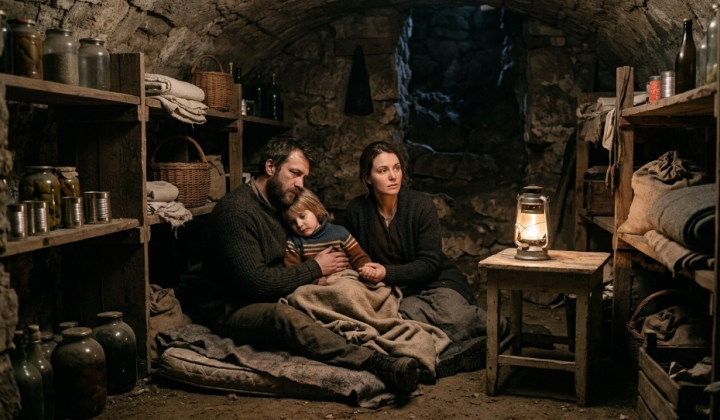
Guidance for Private Homeowners Selecting Shelters Amid Shelling
According to Radiotrek — Світ: This article offers practical advice for residents of private houses on how to choose safe shelters during artillery attacks, comparing cellars, basements, and the so-called two-wall rule. The safest option remains a properly constructed underground shelter. However, no civilian refuge can guarantee protection against a direct hit. Since private homeowners often have fewer shelter options than apartment dwellers, it is recommended to use official shelters if they can be reached safely.
Benefits of Underground Spaces
In private neighborhoods, underground spaces like sturdy cellars or basements are generally safer. Detached shelters reduce the risk of being trapped by debris if the house collapses. Important factors include the strength of the ceiling, ventilation, and multiple exits. Basements with only one exit are particularly hazardous, as they can become blocked by rubble in the event of structural damage. Therefore, having a secondary or emergency exit is highly advisable.
"Basements or cellars with a single exit are especially dangerous since they can be buried under debris after the house collapses." – Unknown Author
Essential tools such as shovels, crowbars, or axes should be kept inside the shelter to help clear minor blockages. It is critical to avoid cluttering the space with glass jars, heavy shelves, or unsecured items, which can pose serious risks. As noted, "glass containers, heavy shelves, and loose objects increase danger, as they may fall or shatter due to blast waves or strong vibrations."
If an underground shelter is unavailable and reaching an official shelter is impossible, the two-wall rule can be applied indoors in windowless rooms. This method is a last resort and does not provide the same protection as a dedicated shelter. Key shelter criteria include partial underground placement, sturdy overhead cover, ventilation, and an accessible exit even after structural damage. "The shelter should be designed so that building collapse does not block the exit, and the structure must withstand soil pressure." – Unknown Author
When constructing a permanent shelter in high-risk areas, consulting experts is essential. A self-dug pit covered only with boards, without engineering oversight, can be hazardous due to risks like collapse, flooding, and poor ventilation. Specifically, "a pit dug without professional guidance and simply covered with planks may be unsafe, with dangers including structural failure, water ingress, and ventilation issues."
Overall, private property owners can create effective underground protective shelters, provided all construction and safety guidelines are carefully followed.
This information is critical for private homeowners, as shelling can occur unexpectedly. Making the right shelter choice and adhering to expert recommendations can significantly improve safety and survival chances during emergencies.

Read also