Archaeologist Shimon Gibson Pinpoints Southwestern Corner of Roman Legio X Fretensis Camp in Jerusalem

Uncovering the Roman Military Base of Legio X Fretensis
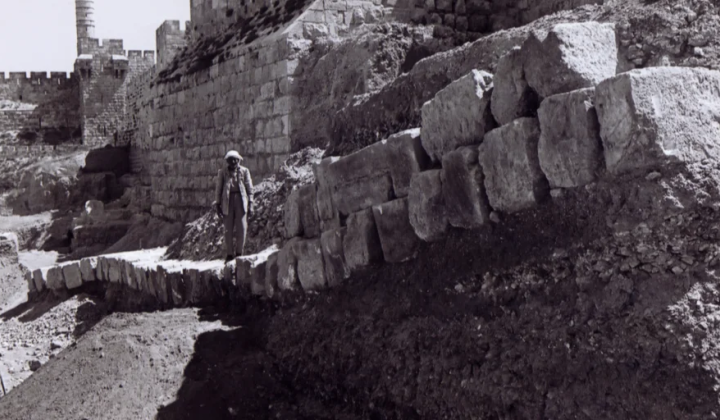
According to НВ — Техно: Shimon Gibson, an archaeologist from the University of North Carolina at Charlotte, has made a groundbreaking identification of the southwestern corner of the Roman legionary camp of Legio X Fretensis in Jerusalem. This camp was established following the city's destruction in 70 CE, when Roman forces led by Titus captured Jerusalem and demolished the Second Temple. Gibson’s conclusions build upon excavations carried out between 1975 and 1978 by archaeologist Magen Broshi and incorporate studies of architectural remains, pottery, and historical records.
Architectural Discoveries and Their Historical Context
Covering an area exceeding eight hectares, the camp served as the regional military and administrative headquarters for the Tenth Legion in Judea. Excavations revealed two significant stone walls:
- Wall W31, extending 9.5 meters from north to south;
- Wall W32, running 7.6 meters from east to west.
These walls meet at a corner resting on the remains of an earlier defensive tower that existed before the Roman conquest.
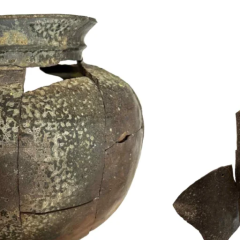
Pottery fragments discovered date from approximately 70 to 130 CE. Additionally, archaeologists uncovered a sloped road about 37.7 meters long, constructed with stone blocks and repurposed column drums. The camp was situated on Jerusalem’s Western Hill, overlapping present-day Armenian and Jewish quarters. Scholars suggest that parts of Herod the Great’s palace complex may have been incorporated into the legion’s headquarters.
In a related find, researchers from the Hebrew University uncovered an early first-century CE ritual bathing complex near the Ophel area adjacent to the Temple Mount. This facility features three large ritual baths, a plastered pool, a paved courtyard, and an intricate water system. It lies close to the Triple Gate, one of the ancient main entrances to the Temple Mount.
Gibson’s research was published on November 20, 2026, in the Journal of Roman Archaeology, underscoring the discovery’s significance for understanding Roman history and archaeology in the region.
The identification of the Legio X Fretensis camp offers valuable insights into the Roman military presence in Judea and its lasting impact on the area’s development. The architectural remains and artifacts shed light on Roman military organization and administrative methods following Jerusalem’s conquest. Meanwhile, the excavation of the ritual bathing site highlights the ongoing importance of religious customs and their interplay with the political climate of the period.
In light of these significant discoveries, it's worth noting that archaeologists have recently found a two-thousand-year-old ritual bath near the Temple Mount, revealing further insights into the Roman influence in Jerusalem. This site, featuring remnants of Roman damage, complements Gibson's findings and underscores the rich historical tapestry of the region during that era.

Read also