Two Intact Burials at Göbekli Tepe Reveal Residential Aspects of the Ancient Site

Discovery of Undisturbed Graves at Göbekli Tepe
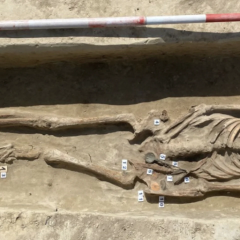
According to НВ — Техно: Archaeologists have uncovered two well-preserved burials at Göbekli Tepe in Turkey, dating back to the Pre-Pottery Neolithic period between 8700 and 8000 BCE. This finding sheds new light on the origin of previously fragmented human remains, which were once thought to be solely connected to funerary rituals within the site’s monumental structures. Published on September 22, 2026, in the journal PLOS One, the study confirms that Göbekli Tepe served not only ceremonial but also residential purposes.
Göbekli Tepe’s Historical Significance
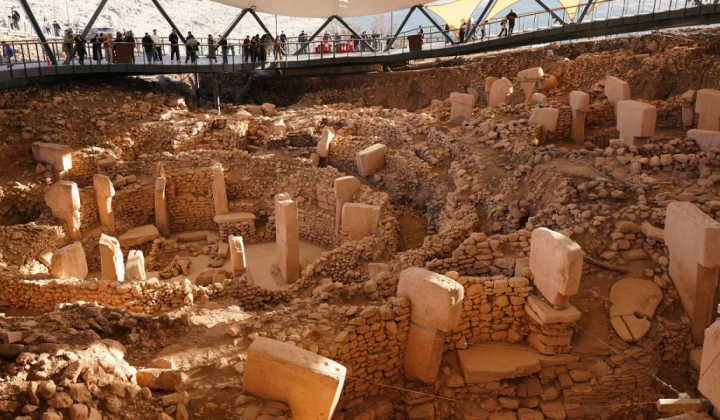
Located about 15 kilometers northeast of Şanlıurfa, Göbekli Tepe is a UNESCO World Heritage site that has been excavated since 1995. Over a span of roughly 1,600 years-from 9600 to 8000 BCE-the site accumulated numerous human remains. Prior to this discovery, 928 separate human bone fragments had already been identified, in addition to those now found in the intact burials.
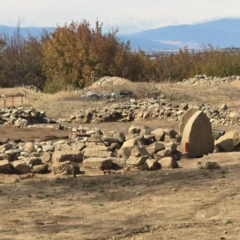
The first burial was uncovered in 2017 during drainage construction and contained the remains of at least three individuals: an adult woman over 35 years old, a man aged between 20 and 30, and a teenage girl aged 11 to 14. The skulls were gathered in the southeastern corner of the pit, with some bones deliberately rearranged. The second burial lies just west of Göbekli Tepe’s monumental Building A and holds the body of a young adult woman, aged 20 to 30, positioned on her left side in a flexed posture facing east. This burial rested on a bed of stones without a clearly defined grave pit.
Fragmented bones discovered within the monumental buildings share characteristics with those from the two intact graves. Natural processes like erosion and soil movement may have displaced remains from beneath house floors into ceremonial structures. Burials beneath floors were a common practice in Neolithic Anatolia and the Levant regions.
During restoration efforts at Göbekli Tepe, archaeologists also found a more than 12,000-year-old stone statue of a human figure embedded horizontally in the wall between Structures B and D. While the statue retains its head and torso, its feet are missing, likely due to intentional removal or erosion. The site is renowned for its monumental stone enclosures and T-shaped pillars carved with wild animal motifs, reflecting a high level of cultural complexity in this ancient community.
The discovery of these new burials is vital for deepening our understanding of Neolithic burial customs and the social organization of this prehistoric society.
These findings emphasize that Göbekli Tepe was not only a religious center but also a place where people lived, challenging previous assumptions about its function in human history. Further research will be essential to determine how these burials relate to other archaeological evidence in the area and to better comprehend the cultural practices of that era.
As researchers continue to explore the complexities of ancient burial practices, findings from other regions, such as the recent discovery of human remains and artifacts from the Bronze Age in Uzbekistan, highlight the diverse cultural aspects of early civilizations. These parallels not only enhance our understanding of prehistoric societies but also illustrate the varied functions of burial sites across different epochs. For more on this intriguing topic, see the latest discoveries in Uzbekistan.

Read also