Austrian Engineers Break Efficiency Records with New Solar Panel System

Groundbreaking Solar Array Undergoes Testing in Austria
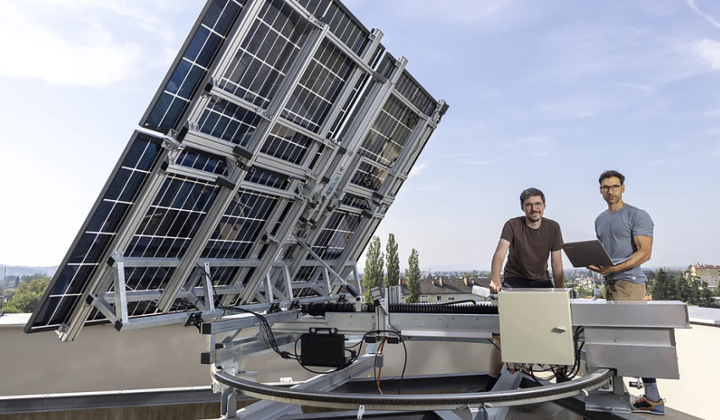
According to НВ — Техно: A team from the Institute of Electrical Measurement and Sensor Technology at Graz University of Technology has developed an innovative solar system called FLAPTrack, capable of dual-axis sun tracking. A working 1.8 kWp prototype has been installed on the roof of an office building at the Inffeldgasse campus in Graz. On average, this system generates 40% more energy than conventional fixed solar modules, positioning it as a promising advancement for the energy sector.
FLAPTrack Boosts Efficiency While Ensuring Safety
The FLAPTrack system employs a patented linear drive that enables the panels to follow the sun throughout the day. On optimal days, energy gains can reach as high as 56%. This is especially valuable during morning and evening hours when overall electricity consumption peaks. As Armin Buchroithner explained,
“Thanks to optimal sun tracking, FLAPTrack delivers more than twice the electricity of conventional photovoltaic systems, which also helps relieve strain on the power grid.”
In addition to its performance, the system can fold the panels face-to-face during storms, hail, or heavy snowfall. Weather data from local stations and regional forecasting models alerts the system to approaching severe conditions, adding an extra layer of protection for the panels. FLAPTrack thus not only improves energy production efficiency but also ensures safe operation across a range of weather scenarios.
This development marks a significant step forward in renewable energy innovation, opening new possibilities for maximizing solar power utilization.
The FLAPTrack system could play a key role in the transition to more sustainable energy sources, especially amid global climate change and rising demand for clean power. More efficient use of solar energy would help reduce dependence on fossil fuels and cut carbon dioxide emissions. The adoption of such technologies may represent a crucial move toward achieving sustainable development goals and energy independence for nations.
In light of recent advancements in solar technology, it's worth noting that German researchers have achieved impressive efficiency levels in solar cells. This progress reflects a broader trend in the renewable energy sector, where innovations like the FLAPTrack system are pivotal in enhancing energy production and addressing the challenges of climate change.

Read also