A 2029 War Scenario Between Russia and NATO Is Outlined by an Austrian Analyst

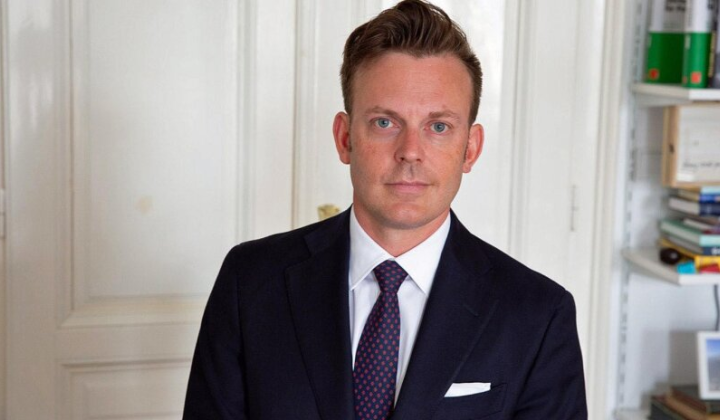
Review of the Book 'Überfall. Wenn der Krieg zu uns kommt'
According to ХВИЛЯ: In his book 'Überfall. Wenn der Krieg zu uns kommt' ('Attack. When War Comes to Us'), Austrian military analyst Franz-Stefan Gady presents a hypothetical conflict scenario where Russia goes to war with NATO in 2029. According to the storyline, hostilities erupt on January 22, 2029, in Lithuania, when Russian troops cross the border under the pretext of establishing a 'humanitarian corridor' to Kaliningrad. Due to its geographic location, neutral Austria becomes a target as it serves as a primary transit country for NATO soldiers and weaponry. This analysis provides English-speaking readers with a glimpse into European security anxieties often overlooked in mainstream discourse.
War Scenario Details
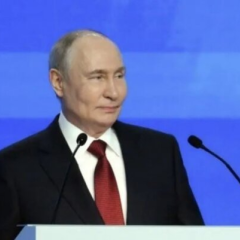
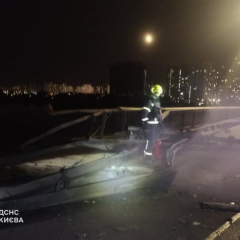
The scenario envisions Russia striking critical infrastructure, including bridges, tunnels, and railway junctions. The book also describes hybrid attacks, such as strikes on undersea cables, water supply systems, and drone incursions into Lithuanian airspace. Russia and Belarus conduct joint military exercises, further escalating tensions. Gady emphasizes that wars do not simply 'erupt' on their own, as they are waged by people. He also notes that in the past, President Putin was driven to war not by the strength of an opponent, but by its perceived weakness.
The outcome of the described scenario remains uncertain a year after it begins. Gady underscores that the most dangerous phase of the conflict is the 'window of vulnerability' occurring in the first years following a ceasefire in Ukraine. The book has been reviewed by the German weekly Die Zeit, which highlights the importance of addressing defense gaps rather than calling for NATO membership.
Characters in the book express views that underscore the gravity of the situation. For instance, the chief of the general staff states:
'Our neutrality means nothing to Moscow. What matters is geography, not politics.' - Chief of the General Staff
The chancellor, in turn, emphasizes that 'this is about the survival of the republic and the protection of our citizens.' These quotes reflect the wariness and seriousness of the potential threat facing Austria and NATO countries in the event of a possible conflict.
The scenario outlined in the book mirrors deep-seated security concerns in Europe, particularly amid rising tensions between Russia and NATO. It could serve as a valuable tool for military strategists and policymakers seeking to understand possible risks and threats in the current geopolitical landscape. The book calls for a thorough analysis of defense mechanisms and strategies that may be necessary to protect European nations in the event of conflict escalation.
As tensions escalate, the potential for a broader conflict looms large over Europe. The situation is further complicated by Putin's maneuvers to justify military escalation, highlighting the urgent need for nations to reassess their defense strategies and preparedness in light of the unfolding scenarios outlined by Gady.

Read also