Gangrene-Stricken Azov Fighter Faces New Trial in Russia

Denys Dorokhin's Ordeal
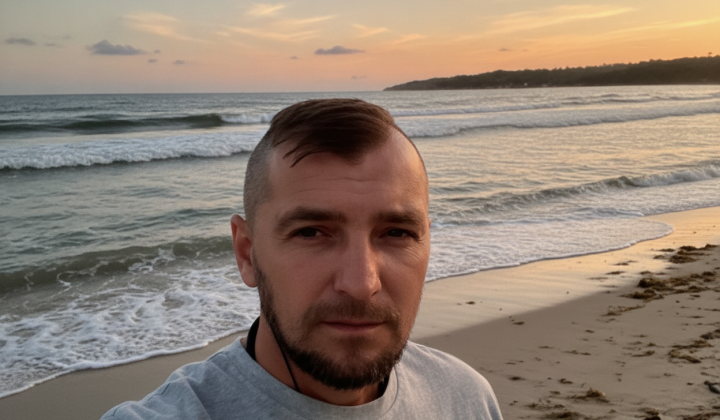
According to Главком: Denys Dorokhin, a 52-year-old member of the Azov Regiment, has been held captive in Russia for over four years. His health has severely deteriorated: he suffered a partial traumatic amputation of his right hand and has now developed gangrene. A Russian court sentenced him to 28 years in prison on fabricated charges, and authorities are preparing a new case against him under terrorism laws. His daughter, Yeva, has urgently appealed to the Coordination Headquarters for an emergency prisoner exchange.
A native of Mariupol, Dorokhin worked at the Azovmash and Azovstal metallurgical plants. In 2016, he decided to defend his homeland and joined the Azov Regiment. Yeva recalls being 15 years old when her father went to war. Her mother passed away when she was young. At 18, Yeva married Vlad, who served in an artillery unit within Azov. Vlad was killed in urban combat in Mariupol one month after the full-scale invasion began, just two days shy of his 21st birthday.
The Dorokhin family home in Mariupol was completely destroyed by occupying forces. Yeva and her grandmother evacuated to western Ukraine. After her husband's death, Yeva suffered severe psychological distress, causing her weight to drop to 43 kilograms. Dorokhin sustained a serious injury to his right hand after the encirclement of Azovstal, and his condition took a catastrophic turn about six months ago when gangrene set in. He describes his state:
“My hand is like a chameleon-it changes color four times a day. One shoulder is higher than the other. The hand feels like a dumbbell pulling down... My fingers started turning black, and my hand is ice-cold, even though I always wear a glove. It looks like the beginning of gangrene.” - Denys Dorokhin
Russian medics refused to amputate Dorokhin's hand, prescribing only painkillers. Yeva is deeply concerned about his prognosis: “Right now, he has gangrene-that’s clear from his letters. His fingers are turning black. He wrote that himself: his hand is very cold, there’s no blood flow to the limb at all, and the tendons are completely atrophied.”
Vitaliy Matviyenko, a medic with a marine infantry brigade, warns that “if the gangrene continues to spread, the outlook is very severe and not good at all.”
Dorokhin's Optimism and Family Support
Despite his dire circumstances, Denys Dorokhin remains optimistic: “I don’t think so. I think we will win, I think we will defend our independence.” However, according to Matviyenko, “all the guys who served in Azov are now under a tight lid.” Yeva Dorokhina notes that “they said they would actively work on his exchange, but unfortunately, they can’t promise me anything for sure right now.” She is determined to support her father: “I will be his main support, I’ll be like a little bell for him, to keep his spirits up.”
The situation for Dorokhin and other prisoners of war remains critical, and his family is hoping for a swift exchange.
Dorokhin’s case and his family’s ordeal highlight the ongoing humanitarian crisis in conflict zones, particularly in Ukraine. The trauma of combat, devastating losses, and harsh captivity conditions threaten not only the physical health but also the psychological well-being of soldiers’ families. Yeva’s appeal to the Coordination Headquarters underscores the need for international support and concerted efforts to resolve prisoner exchanges. Amid war, such stories serve as reminders of the human tragedies that often go unnoticed and demand attention to prevent further suffering.

Read also