Sharp Surge in Gasoline and Diesel Prices Hits Ukraine

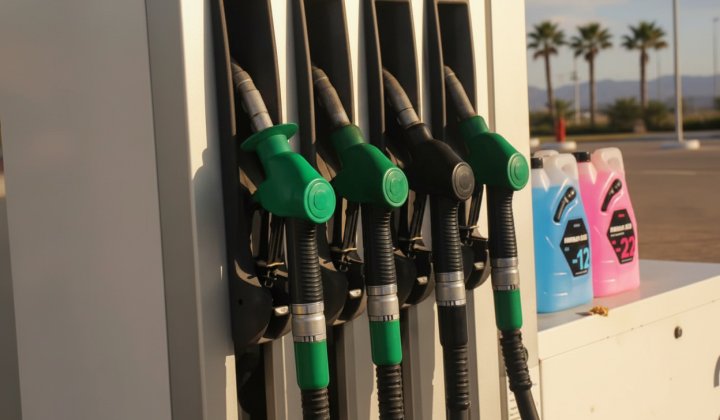
Fuel Price Update in Ukraine
According to Главком: As of June 4, 2026, gas stations across Ukraine have posted new fuel prices. The average cost of A-95 gasoline now stands at 76.70 hryvnias per liter, while diesel fuel reaches 86.84 hryvnias per liter. The most expensive station chains remain OKKO, WOG, and SOCAR, whereas Ukrnafta and BRSM-Nafta offer the lowest rates.
According to data from the UPG network, A-95 gasoline there is priced at 75.40 hryvnias per liter, A-95+ at 77.40 hryvnias per liter, diesel at 84.26 hryvnias per liter, and diesel+ at 86.90 hryvnias per liter. At OKKO, A-95 gasoline costs 79.90 hryvnias per liter, and diesel is 88.90 hryvnias per liter. Similar prices are seen at WOG and SOCAR. In contrast, Ukrnafta sells A-95 for 74.90 hryvnias per liter, while BRSM-Nafta offers it at 73.99 hryvnias per liter.
Key Drivers Behind the Price Hike
It is worth noting that from March 20 to May 31, 2026, a cashback program was active, benefiting 2.3 million Ukrainians. The cashback rates were 15% on diesel, 10% on gasoline, and 5% on autogas. Despite this, diesel prices in Ukraine have risen by 33.9%. In March, diesel supply volumes remained at 2025 levels, yet nearly 85% of light petroleum products in the country depend on imports.
Research shows that from February 26 to March 31, Platts diesel prices jumped by 86%, while import costs for diesel increased by 58%. Over the same period, pump prices for diesel rose by 39% and for gasoline by 16%. The Antimonopoly Committee of Ukraine has found no evidence of monopolistic behavior in the fuel market.
“The main objective factor behind the price increase is that, starting last year-after the shutdown of the largest and essentially only oil refinery in Ukraine-almost all light oil products, in percentage terms over 85%, depend on fuel imports,” stated Pavlo Kyrylenko.
Several factors have contributed to the fuel price changes, including:
- rising demand volumes
- reduced supply and inventory levels
- higher logistics service costs
- inability to compare storage conditions and volumes within Ukraine
The surge in fuel prices underscores Ukraine’s heavy reliance on imported petroleum products, a vulnerability that became especially acute after the closure of its main refinery. This trend poses risks to the broader economy, as higher fuel costs drive up transportation expenses and, in turn, the prices of other goods. Meanwhile, the cashback program, which ran for several months, reflects government efforts to cushion the impact on consumers-though the overall upward price trajectory remains firmly in place.

Read also