Kharkiv's Free Transport System: Expert Exposes Billions in Debt and Proposes a Fix

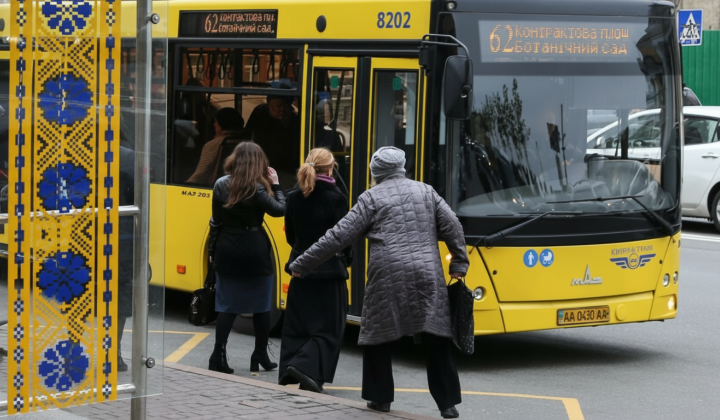
The Financial Burden of Kharkiv's Free Transit
According to ХВИЛЯ: During an appearance on his YouTube channel 'Oleg Popenko PRO,' Oleg Popenko, head of the Union of Consumers of Utility Services, raised the alarm over the severe financial strain caused by Kharkiv's policy of free public transport. He revealed that the city's transport subsidies cost at least 5-6 billion hryvnias annually, a burden that has led to the accumulation of massive debts. This situation highlights a common challenge for post-Soviet cities balancing social welfare promises with fiscal sustainability.
Popenko advocates for the implementation of a strict regulatory model to fund these benefits, which he suggests could involve the municipality issuing debt obligations.
"Who is supposed to pay for the story of free metro and free public transport in Kharkiv?" - Oleg Popenko
He emphasized that a systematic approach is crucial for resolving this issue.
Lack of Similar Benefits in Other Cities
Oleg Popenko also pointed out the disparity in policy, noting that other Ukrainian cities like Sumy, Kherson, Mykolaiv, and Zaporizhzhia do not offer free public transit.
"Why is there no free transport in Sumy, why not in Kherson, in Mykolaiv, in Zaporizhzhia, but there is in Kharkiv?" - he asked
, underscoring the imbalance in how these social benefits are provided.
Popenko argues that if authorities wish to pursue such initiatives, they must adopt practices common in 'normal civilized countries,' such as issuing municipal bonds. 'Then this turns into an activity similar to legitimate local government work, rather than producing debts of 40 billion and then throwing your hands up in the air,' he concluded. Adopting such a model could be a step toward stabilizing the financial situation in Kharkiv's public transport sector.
Oleg Popenko's statements underscore the critical need for financial accountability in local governance, particularly regarding costly programs like free public transit. With limited budgetary resources, rethinking how such subsidies are financed is a key factor for maintaining the city's transport system stability and avoiding further debt accumulation. Therefore, the expert's proposals could stimulate a necessary dialogue between authorities and the public on a path to optimizing expenditures in this area.
As Kharkiv grapples with its mounting transport debts, it is essential to understand the broader implications of utility debt across Ukraine. For instance, while Kharkiv's situation appears dire with a staggering 40 billion hryvnias owed, other cities like Kherson have managed to keep their debts significantly lower, paying only 42% of what is owed. To delve deeper into this crisis and its impact on regional stability, explore our detailed analysis of Ukraine's utility debt landscape.

Read also