Europe Must Resist the Temptation of Russian Gas Despite Strait of Hormuz Crisis

The Gulf Conflict and Its Global Energy Impact
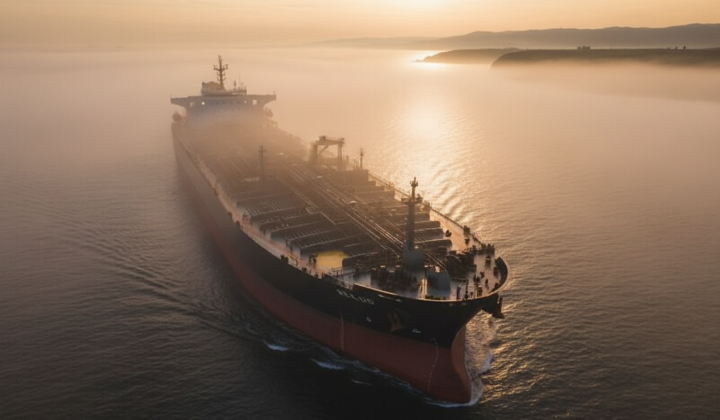
According to ХВИЛЯ: Recent hostilities in the Persian Gulf have resulted in a blockade of the Strait of Hormuz, a vital chokepoint for global energy supplies. This strategic waterway facilitates the daily transit of roughly 20% of the world's oil. In response to Iranian drone attacks on its infrastructure, Qatar-the world's largest producer of liquefied natural gas (LNG), holding about 20% of the global market-has halted LNG production and declared force majeure. This disruption has triggered a sharp spike in energy prices, with European gas prices surpassing €50 per MWh, though this remains far below the record highs of nearly €300 per MWh seen in 2022. This crisis underscores the persistent volatility of global energy markets.
Global Energy Challenges and a Warning Against Russia
Against this backdrop, Fatih Birol, the head of the International Energy Agency (IEA), has expressed concern about potential moves to re-engage with Russia as an energy partner. He noted that:
“The new crisis in the Middle East has raised questions in some quarters about whether to turn back to Russia.” - Fatih Birol
Simultaneously, overall oil prices have surged by nearly 30% since the conflict began, even as Russia's oil and gas revenues in January hit their lowest point since July 2020. The discount for purchasing Russian oil exceeded $10 per barrel below the global Brent benchmark.
It is noteworthy that the U.S. Treasury Department has granted India a temporary waiver to purchase blocked Russian tankers and has authorized transactions with a German subsidiary of Rosneft. Faced with these global energy challenges, major importers like India, Japan, and South Korea are already exploring alternative markets, which could reshape future energy supply stability. This search for alternatives highlights a strategic shift away from over-reliance on any single volatile region.
The Persian Gulf situation illustrates the fragility of the global energy architecture, where geopolitical shifts can severely impact national energy security. A prolonged conflict may accelerate the development of alternative energy sources and push nations to secure new supplies, reducing dependence on unstable regions. These evolving dynamics are likely to have profound, long-term consequences for world energy markets and the economic policies of nations.

Read also