Bulgaria's Snap Election Marred by Voter Bribery Crackdown, Over 200 Arrested

Bulgaria Prepares for Snap Parliamentary Vote
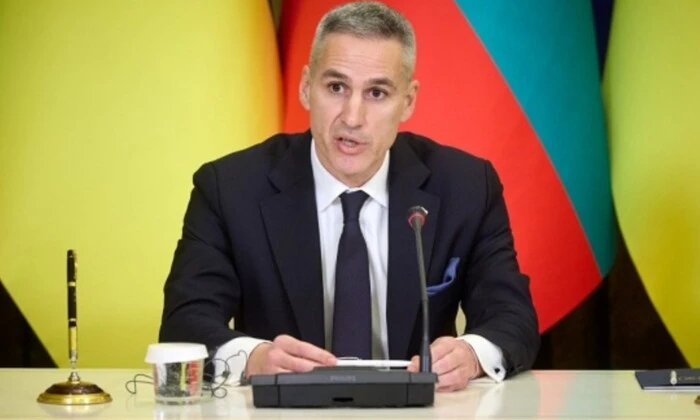
According to Главком: Bulgaria is set to hold a snap parliamentary election on April 19, marking the country's eighth such vote in just five years. The election unfolds against a backdrop of political crisis, triggered by protests and accompanied by mass arrests. Interim Prime Minister Andrey Gurov, appointed to the role on February 11, has announced a strengthening of measures to combat electoral violations.
Andrey Gurov, who is also the deputy governor of the central bank and a representative of the 'We Continue the Change' party, stated that the government intends to safeguard the election rather than merely oversee it.
"For the first time, we as a government want to protect the elections, not manage them," noted Andrey Gurov.
As part of a campaign against voter bribery and coercion, authorities have already detained more than 200 individuals. Violations have been identified in programs related to heating subsidies and free meals, raising concerns among state officials.
Political Climate and Polling Data
A notable incident involves the arrest of a Russian citizen in the city of Stara Zagora, suspected of falsifying election results. Furthermore, Bulgarian officials have appealed to the EU diplomatic service to halt manipulation campaigns that could influence the outcome of the vote.
According to sociological surveys, the 'Progressive Bulgaria' party of former President Rumen Radev is currently leading, indicating a shift in the political mood among voters. These elections represent a critical juncture for the nation, as the result could reshape Bulgaria's future political landscape. This political volatility reflects the deep socio-economic challenges facing the EU's poorest member state.
The snap election in Bulgaria is taking place amid intense political instability, highlighting profound socio-economic problems within the country. The emphasis on protecting the vote and preventing manipulation underscores how crucial public trust in the electoral process is. Given the polling data, the shift in political sentiment may pose new challenges for traditional political forces, amplifying the significance of this election for Bulgaria's future trajectory.
As Bulgaria grapples with the challenges of ensuring a fair electoral process, concerns about external influences persist. The government has reached out for assistance to the EU in order to address potential foreign interference in the elections. This move underscores the critical need for stability in the country's political climate during this pivotal election period.

Read also