Bolivia Reviews Contract with Russia on Lithium: Why Russia May Lose Access to the Deposit

Bolivia Reviews Contract with Russia on Lithium
According to ХВИЛЯ: The new administration of Bolivia, led by President Rodrigo Pasu, has initiated a review of the contract with the Russian company Uranium One Group, which may lead to Russia losing access to the lithium deposit in Salar de Uyuni. This contract was signed on September 11, 2024, and is the result of agreements reached by the previous president, Luis Arce.
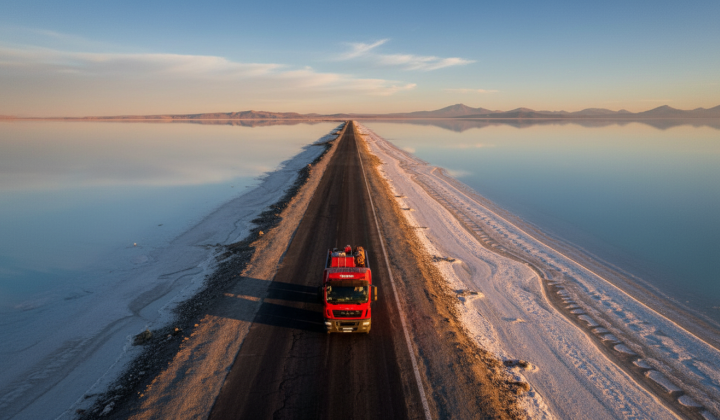
Salar de Uyuni, where these deposits are located, contains about 11.2 million tons of lithium, accounting for nearly 38% of the world’s reserves of this important resource. However, at present, the deal with Uranium One Group has not yet been ratified by the Bolivian parliament, creating uncertainty regarding future cooperation.
Local Communities' Demands
Local communities are voicing their demands, which include:
- increasing the share of profits that goes to local budgets;
- conducting a full environmental impact assessment;
- adopting a separate law on lithium.
These demands indicate that the issue of using Bolivia's natural resources is becoming increasingly relevant, and the new administration is likely to consider the interests of local residents in the contract review process.
Thus, the review of the contract with Uranium One Group could have significant implications for Russia's access to one of the largest lithium reserves in the world, as well as impacting the economic situation in Bolivia.
This situation highlights the importance of personnel changes in Bolivia's politics and possible changes in the country's strategic partnerships.
Given the growing global demand for lithium, Bolivia may use its natural resources as a lever to improve its economic situation and meet the interests of the local population. Addressing local demands and needs may become a key factor in shaping new policies regarding the extraction and use of lithium in the country.

Read also