Boracay's New Era: Essential Visitor Guidelines and Top Beaches After Its Revamp

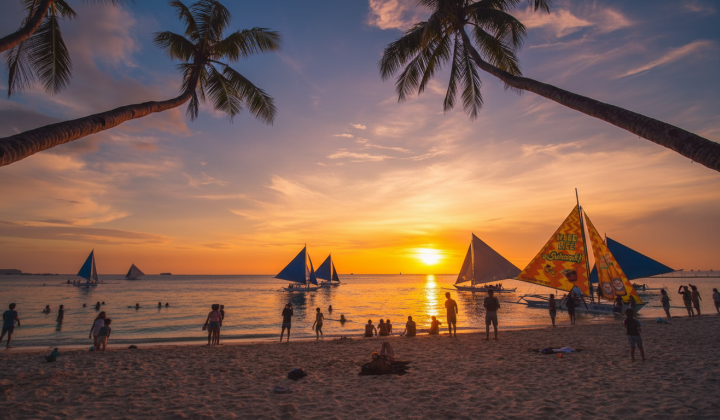
Boracay Island: The Post-Renovation Landscape
According to I am Aileen: Following a major government-led overhaul in 2018, the Philippine island of Boracay, famed for its powdery white sands, has re-emerged as a more pristine and regulated destination. This transformation introduced strict new rules for visitors, including bans on eating, drinking, using single-use plastics, and building sandcastles on the beaches. A key requirement is obtaining a QR code via an online health declaration form, mandatory for entry to the island through Caticlan Airport, which is currently the only authorized tourist gateway. These measures reflect a global shift towards sustainable tourism, aiming to protect fragile ecosystems from over-tourism.
Ideal Visiting Period and Activities
The optimal time to visit Boracay is during the dry season from November to May, avoiding the rainy season from June to October. The island, which is approximately 7 kilometers long, boasts 13 beaches. The most famous is the 4-kilometer White Beach, divided into three stations. A variety of water-based and leisure activities are available, such as:
- Snorkeling
- Diving
- Cliff Jumping
- Massage and Spa Treatments
- Sunset Watching
For transportation, short tricycle rides cost 20 Philippine Pesos per passenger, while scooter rentals start at 1000 Pesos per day. The national currency is the Philippine Peso, with an exchange rate of approximately 48 Pesos to 1 US Dollar. Tourists should note that beach swimming is only permitted from 6:00 AM to 6:00 PM, and establishments close by 11:00 PM. These regulations are designed to ensure the safety and comfort of all visitors at this popular resort.
The increased visitor controls and restrictions on plastic and food reflect a global trend towards environmental conservation, which is becoming increasingly relevant in tourist destinations.
- Source: Government of the Philippines
Through these initiatives, the Philippine government aims not only to enhance the quality of the visitor experience but also to preserve the island's natural resources for future generations. However, these new rules may impact tourist numbers, as not all vacationers are willing to adhere to restrictions that could affect their comfort during their stay.

Read also