AI-Generated Faces Spark Alarm Among British Plastic Surgeons

Plastic Surgery Meets AI: Emerging Challenges
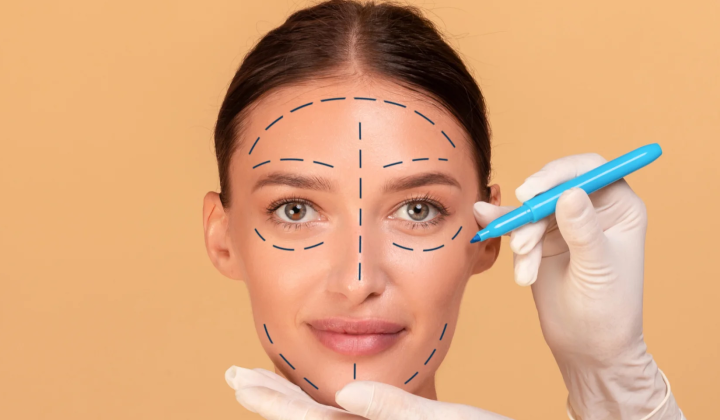
According to НВ — Техно: Artificial intelligence can alter every pixel of an image, but plastic surgery doesn't work that way (Photo: Depositphotos)
Across the UK, plastic surgeons are reporting a surge in patients who use AI chatbots to design their ideal face and then demand surgical procedures to replicate those digital results. Medical professionals warn that the outcomes proposed by AI are often either unattainable or prohibitively expensive to achieve in the operating room. Dr. Nora Nugent, president of the British Association of Aesthetic Plastic Surgeons, noted that patients are now bringing in AI-enhanced images and expecting surgery to deliver identical results.
Surgeon Alex Karidis emphasized that while AI can tweak every pixel of a photo, plastic surgery does not function that way. He estimates that even moderate AI-generated changes could cost around £25,000, raising serious questions about affordability for most patients. Another surgeon, Julian De Silva, pointed out that the extreme symmetry characteristic of AI-created images is simply unachievable in real life.
Shifting Beauty Standards and Their Consequences
A journalist from The Guardian tested an AI tool that initially recommended rhinoplasty, a nasal septum correction, and an eyelid lift. Later, the same AI suggested chin implants, cheek fat removal, and other procedures to create a more masculine appearance. As De Silva explained,
“AI can easily align eyes or facial features in a photo, but in reality this is often impossible because the shape of the eyes and bones is determined by the anatomy of the skull”
.
These technologies are forging new beauty standards that may negatively affect patients' mental health. Nora Nugent observed that once a patient sees an AI-generated image, it becomes deeply ingrained in their mind, potentially leading to dissatisfaction with their own appearance. Crucially, even when patients follow AI recommendations, real surgeries cannot deliver such precise outcomes, as Alex Karidis stressed.
In light of AI's growing popularity in aesthetic medicine, doctors are urging caution and advocating for realistic expectations regarding the results of plastic surgery.
The increasing role of artificial intelligence in medicine presents fresh challenges for plastic surgery practice. Physicians warn that unrealistic expectations can lead to disappointment with surgical outcomes, which in turn affects patients' psychological well-being. It is essential for patients to understand that visualization-generating technologies may not reflect the actual possibilities of plastic surgery, and therefore they should trust professionals and their expertise in this field.

Read also